
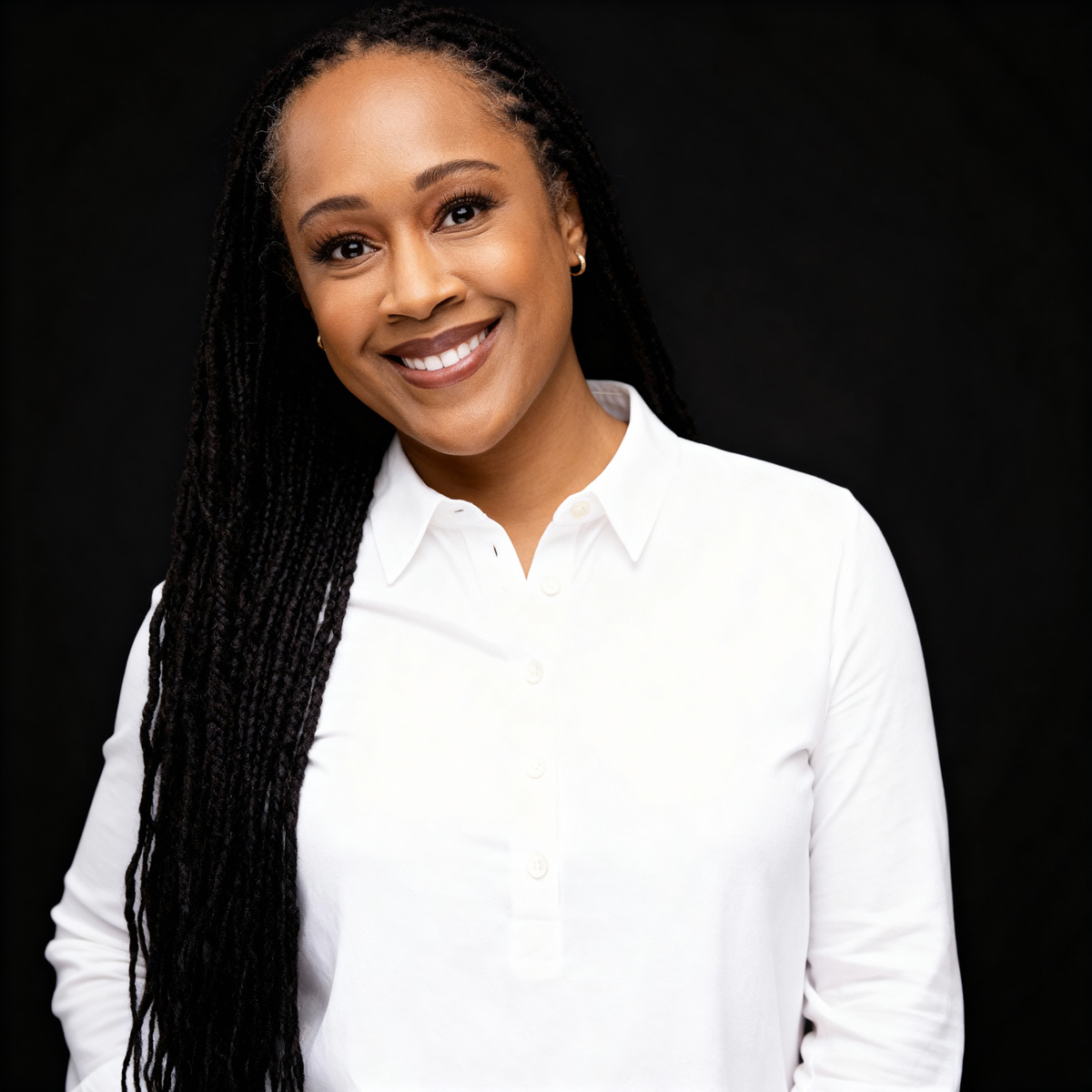
Tara Quarrie is President & CEO of Quarrie Development Group (QDG), where she helps mission-driven nonprofits implement AI without losing the trust their work depends on. After two decades inside nonprofit fundraising operations, she built QDG around a simple premise: most development teams don’t lack the ambition to use AI well — they lack the capacity, budget, and internal expertise to do it safely. Through TRUST Audits, AI Strategy Sprints, and full implementation engagements, she helps small development teams put AI to work in ways that hold up to donor scrutiny. She’s the creator of the TRUST Framework, a five-part lens for evaluating AI use in fundraising through transparency, consent, and human oversight, and writes The Philanthropic, a Substack newsletter offering equity-centered, practitioner-first analysis of AI’s impact on the nonprofit sector.

Brenda Zepeda is a Producer with Gallagher’s Pacific Coast Branch, based in Glendale, California. She specializes in developing insurance and risk management solutions for nonprofit organizations, healthcare providers, social service agencies, educational institutions, and community-based organizations. In her role, Brenda works closely with executive leadership teams and boards of directors to design strategic insurance programs, manage complex renewals, and implement risk management initiatives that help organizations protect their missions and financial stability.
Prior to joining Gallagher, Brenda spent seven years as a Workers’ Compensation Underwriter with a leading insurance carrier, where she specialized in nonprofit organizations. This experience provided her with firsthand insight into underwriting decision-making, risk assessment, pricing strategies, and carrier expectations. In 2017, she joined Gallagher as a Risk Consultant and Producer, bringing her carrier-side expertise to help clients secure competitive insurance solutions and navigate complex risk management challenges.
Brenda’s expertise includes workers’ compensation, property and casualty insurance, liability protection, cyber liability, executive liability, alternative risk financing, captives, and claims advocacy. She is dedicated to helping clients navigate evolving risks while ensuring they have the coverage, resources, and guidance needed to support long-term organizational success.
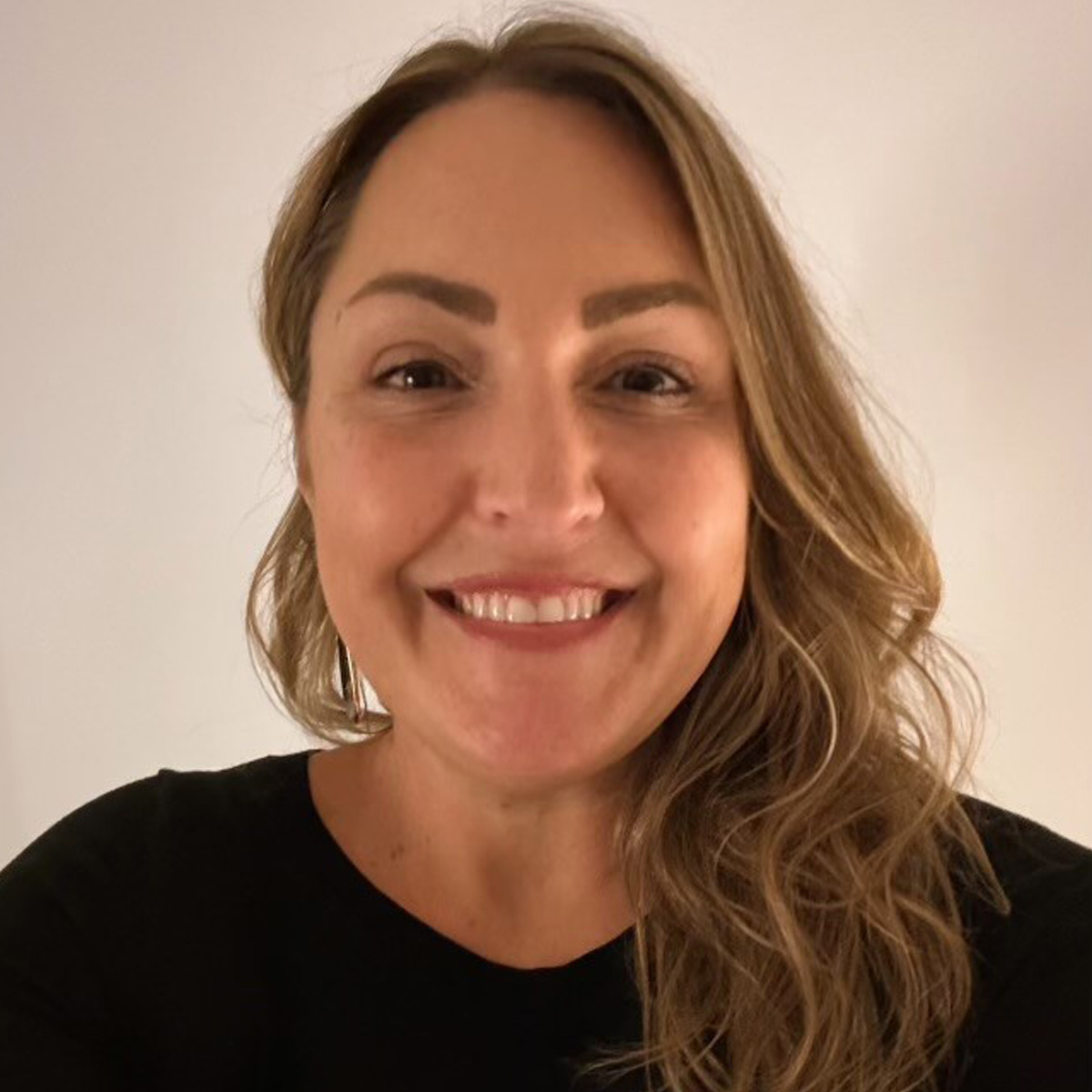
Melissa Cerny serves as the Area President for Gallagher Insurance’s Southwest Region. With 12 years at Gallagher, she oversees 300 employees across ten states, managing strategic operations and service delivery. Under her leadership, the region’s revenue has grown from $14M to $130M annually in less than a decade.
Before her current role, Melissa was COO at Chapman Insurance, a nonprofit-focused independent agency. During her nine years at Chapman, she implemented e_ciency strategies like Lean Six Sigma for Service, significantly improving client retention and employee satisfaction. After Gallagher acquired Chapman in 2012, Melissa transitioned into her current position, expanding her oversight to include Property & Casualty, Benefits, and Personal Lines across diverse industry niches.
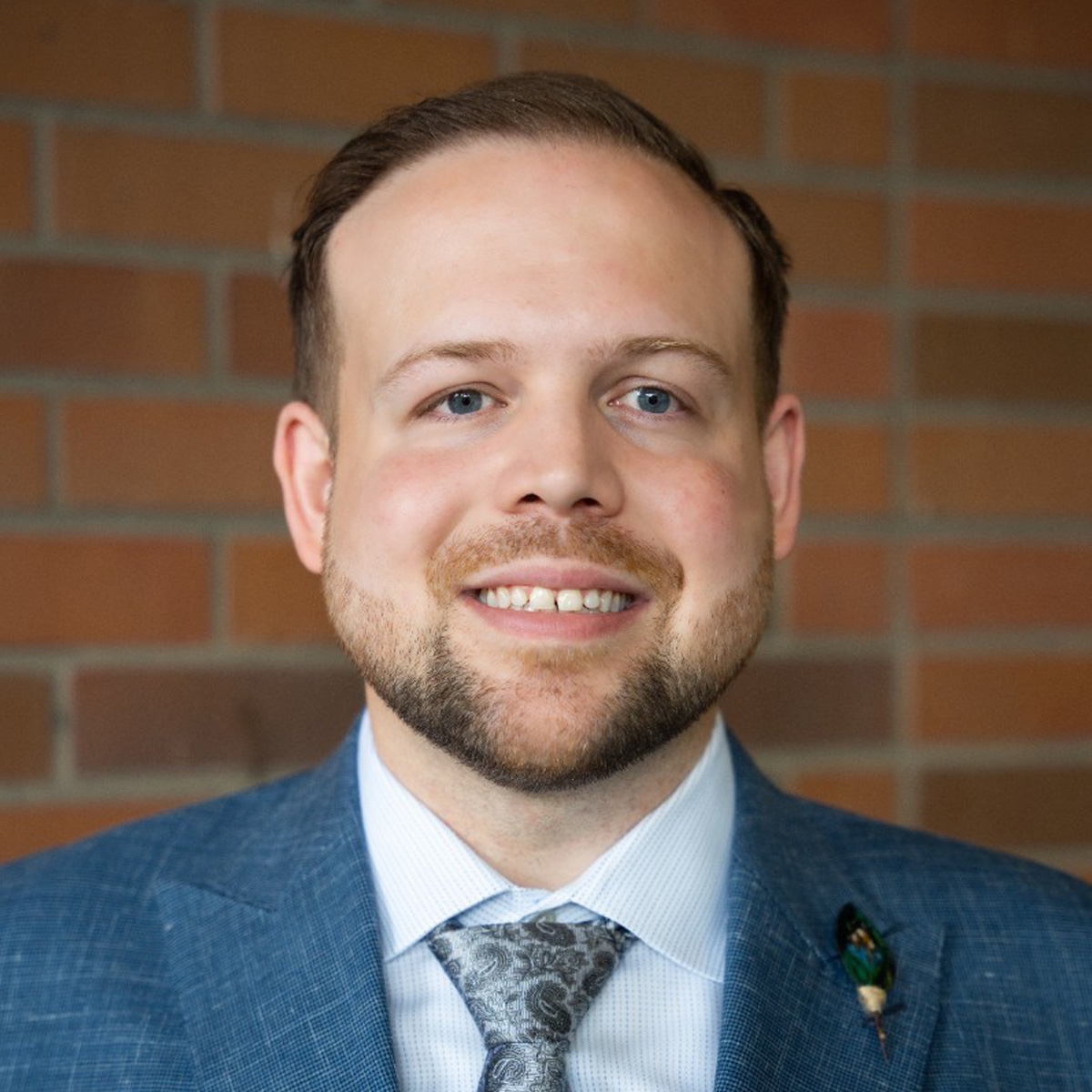
Billy Henry founded the Northwest Association for Blind Athletes (NWABA) in 2007 at the age of 15, driven by a belief that every person who is blind or visually impaired deserves the opportunity to build confidence, independence, and community through sports and physical activity. Over the past 19 years, Billy has worked alongside NWABA’s board, staff, volunteers, and supporters to grow the organization from serving six students in its first year to delivering more than 6,500 program interactions annually across the Northwest. He holds a degree in Public Affairs from Washington State University and lives in Vancouver, Washington, with his wife, Ashlyn.
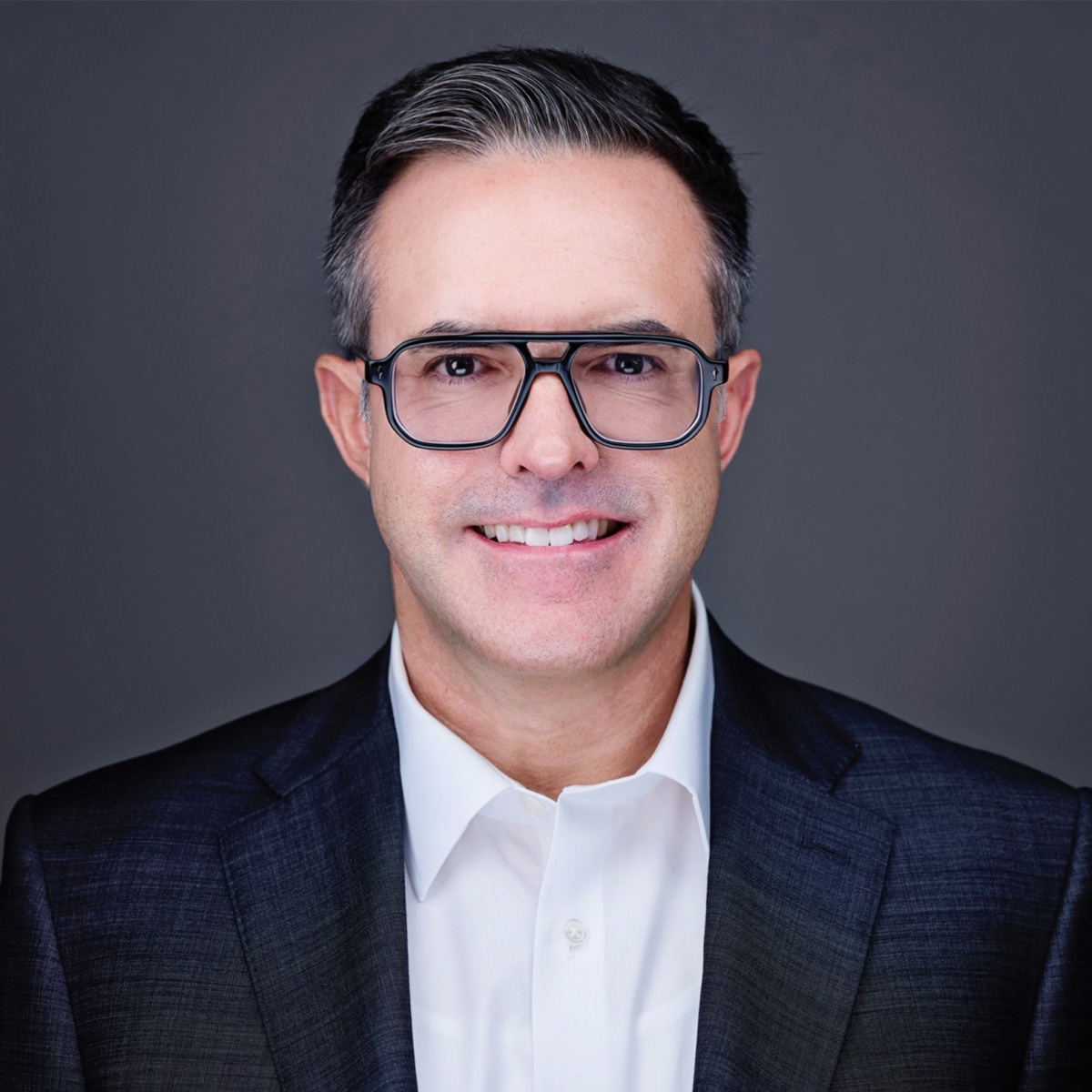
Christopher de Clinton Conway is a globally recognized leader in biotechnology, medical research philanthropy, and nonprofit leadership, with more than 30 years of experience connecting scientific discovery with philanthropy, strategic partnerships, and commercialization. A trusted advisor to entrepreneurs, research institutions, industry, and family offices, he is recognized for building collaborations that accelerate innovation and lasting impact.
Conway began his career as the first fundraising intern at the Art Institute of Chicago before joining Sotheby’s Trust Department, advising major private collections, museums, and libraries. He earned his Juris Doctor, with an emphasis in tax and estate planning, from Washington University in St. Louis.
He later joined The Carter Center at Emory University, where he worked alongside President Jimmy Carter and First Lady Rosalynn Carter to strengthen the Center’s philanthropic foundation and advance its global mission during the period culminating in President Carter’s Nobel Peace Prize in 2002.
Conway has served as Chief Executive Officer of The Joffrey Ballet and Tower Cancer Research Foundation. He also serves as a mentor and subject matter expert for the Chan Zuckerberg Initiative’s Rare As One Network and the Milken Institute’s FasterCures, and is President of the Global Association of Biosciences Research Institutes (GABRI).
He has secured record-setting philanthropic support for institutions across the United States, the United Kingdom, and the European Union, advancing biomedical research, major capital initiatives, and venture philanthropy.
Today, Conway is Chief Philanthropy Officer and Executive Vice President for Strategic Communications at the Indiana Biosciences Research Institute (IBRI), where he leads philanthropy, marketing, strategic partnerships, government relations, international engagement, and communications.
Known for combining impact with exceptional execution, Conway has built a reputation for connecting visionary leaders with transformative missions. A frequent media commentator, he has been featured by Bloomberg, The New York Times, The Wall Street Journal, Town & Country, Vanity Fair, and W.
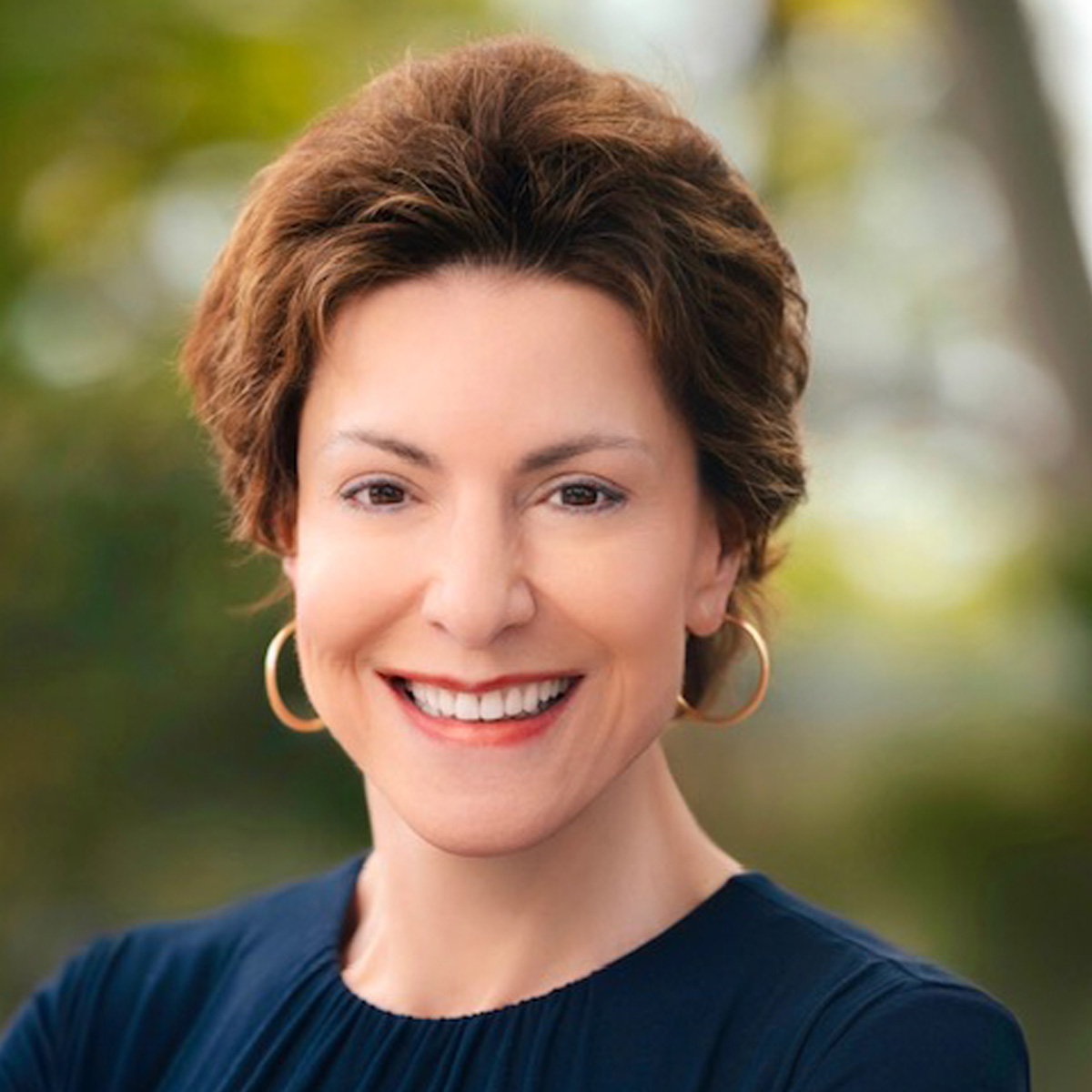
As Vice Chancellor for Advancement and the Executive Vice President of the UC San Diego Foundation, Ann holds the overall leadership responsibility for all university fundraising programs, campaigns and transformational initiatives, including the recently completed $3B Campaign for UC San Diego. Under Ann’s management and strategic direction of 260 FTEs and a $45m budget, the University raises $400 – $500m annually in addition to key priority sprint initiatives.
Ann joined UC San Diego after a 30-year career in the performing arts, most recently as Deputy General Director of San Diego Opera. A natural innovator of marketing and development programs, Ann helped propel San Diego Opera into an internationally recognized company, hailed for both artistic and fiscal excellence. Responsible for leading the revenue team and board development units, she created a long-range strategic plan and led the ongoing recruitment and leadership of the 60-member Board of Directors, one of the most highly contributing and respected Boards in the region.
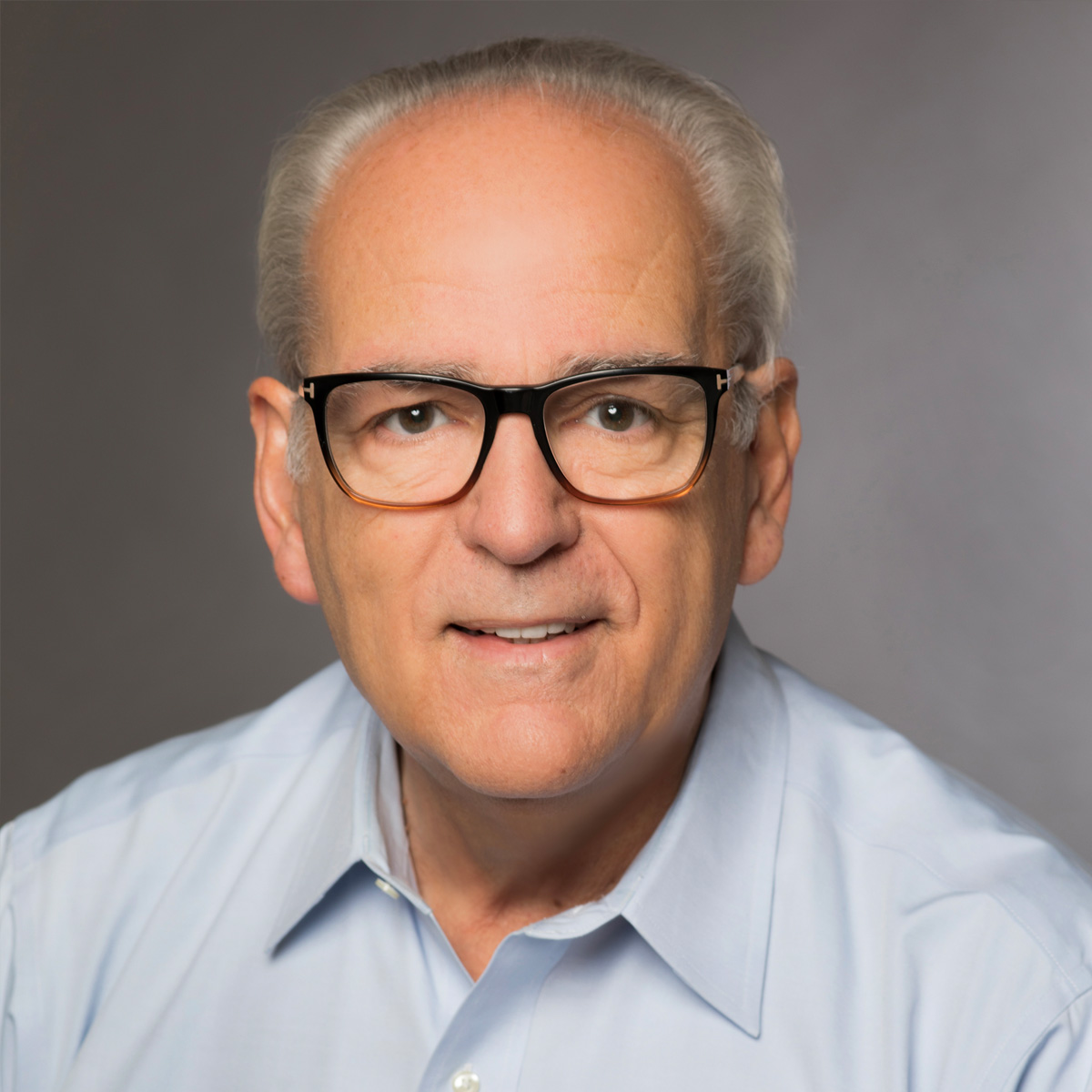
Joseph M. Costa, MSW, is a seasoned nonprofit executive with more than two decades of leadership experience in the human services sector. Until 2021, he served for 11 years as CEO of Hillsides, a $50 million child- and family-serving organization in Los Angeles, where he led a merger with Bienvenidos, oversaw an $18 million capital improvement project, and significantly expanded the agency’s mental health and youth development services. Previously, he spent eight years as CEO of Sunny Hills Services, now Side by Side, in San Anselmo, California, where he guided a strategic integration, major reorganization, merger, and the launch of a Sonoma County satellite office. He now leads Partners for Impact, his consulting practice, where he serves organizations as a senior adviser, strategic planning developer, group facilitator, fundraising consultant, and public speaker. He is also a Senior Fellow of the Child Welfare League of America, a co-founder of the executive search firm CCMS Partners, and holds master’s degrees in social work from Boston College and divinity from St. John’s Seminary.
Miki Jordan is a purpose-driven nonprofit leader whose career reflects courageous, collaborative leadership and a deep commitment to strengthening the nonprofit sector. As co-founder of Partners for Impact, a Board Certified Coach and BoardSource Certified Governance Consultant, she has coached nonprofit executives across the country, generously sharing her experience to help leaders build stronger governance, sustainable organizations, and greater community impact. She believes that when nonprofit leaders thrive, the communities they serve thrive as well.
Throughout her career, Miki has combined strategic vision with compassion, integrity, and a steadfast commitment to service to others and meeting unmet community needs. As President and CEO of Wayfinder Family Services, she grew the organization from $10.5 million to more than $50 million, expanding services to reach significantly more children and families across California. Earlier, she transformed Para Los Niños from a $1 million grassroots nonprofit to a $25 million organization, creating programs and opportunities that enabled thousands more children and families to thrive. Today, as President and CEO of Martha’s Village & Kitchen, she continues to strengthen organizational capacity, develop leaders, and build community partnerships with a steadfast commitment to restoring dignity, inspiring hope, and opening doors to new beginnings for individuals and families experiencing homelessness and poverty.

Jackie Tapia is a California-barred attorney, bestselling author, and founder of the first holistic wealth institution for faith-led Latinas. A USC and Golden Gate University School of Law graduate, she was admitted to the California Bar in 2000 and spent over two decades in family law, immigration defense, and litigation before walking away from the courtroom to build what the legal world couldn’t name. Today she leads Living Macro, the institution behind The Amiga Way Academy and Dios y Negocio, author of The Amiga Way and host of the Amiga, Handle Your Sh!t podcast, past 270 episodes. She helps accomplished women leaders — across finance, nonprofits, and the institutions they hold up — navigate disruption and lead through AI without losing the human ground that earns trust. Faith is her operating system. Structure is her architecture. Her measure of success isn’t louder influence. It’s sovereignty: women who rise by aligning, not performing harder.
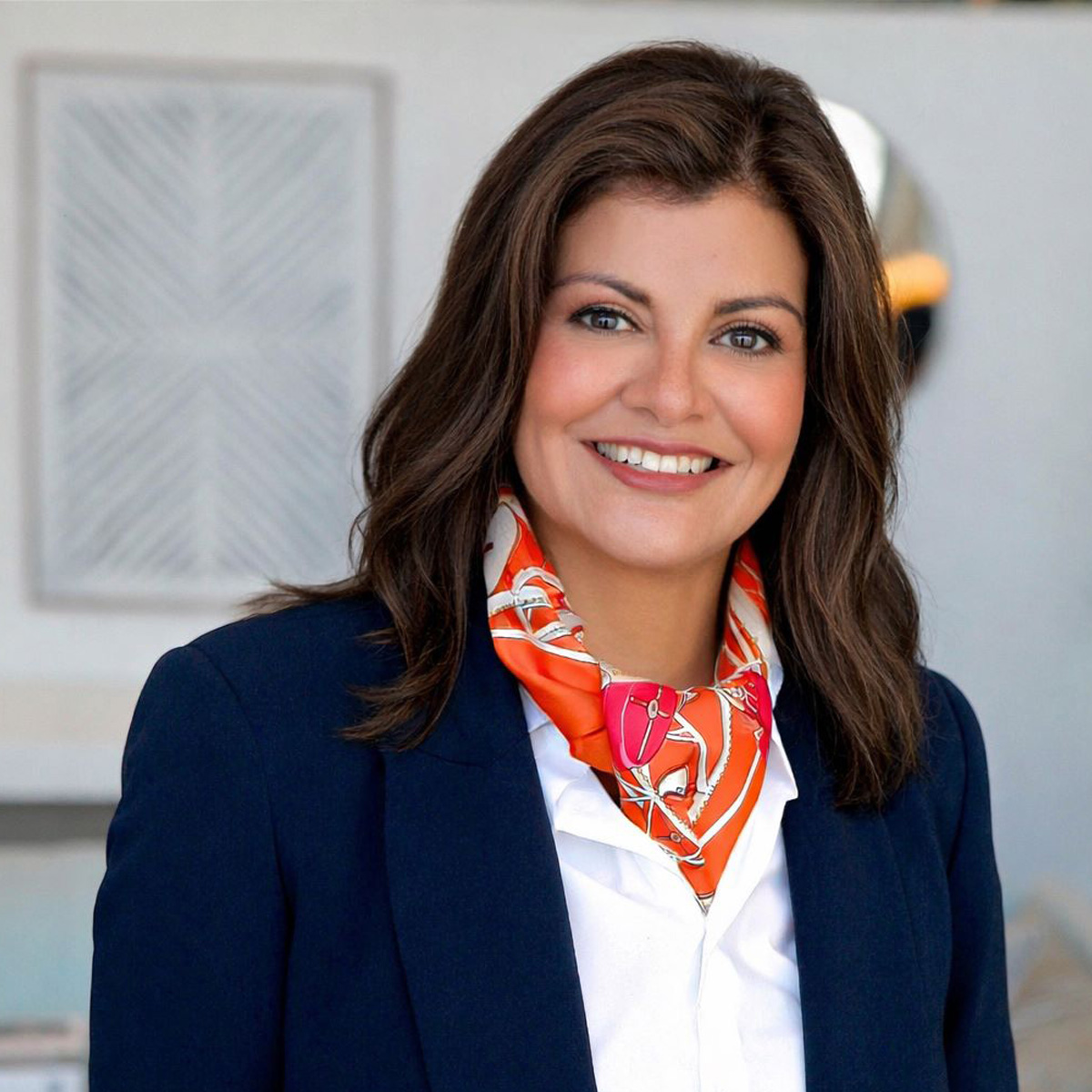
Lizette Espinosa is the Co-Founder of System + Soul AI Institute, where she helps leaders, teams, entrepreneurs, and organizations turn AI uncertainty into clear, practical strategy. Her work centers on making artificial intelligence useful, approachable, and aligned with how people actually communicate, collaborate, and lead. With a background in law, Lizette brings a thoughtful perspective to the intersection of AI and responsible decision-making. Known for her strategic instincts, and relationship-centered leadership, Lizette brings a grounded perspective to responsible AI adoption and the future of work where humans come first.

Janie Ximena Marquez is a Senior Vice President and Relationship Manager at Enterprise Bank & Trust, serving commercial and private clients across Southern California. With over 25 years of strategic leadership experience in the financial industry, she is recognized for driving business growth and expanding access to capital for diverse businesses.
Janie proudly serves on the Board of Directors for BABC a nonprofit supporting first-generation young women transitioning to college. She believes financial literacy empowers entrepreneurs with a clear pathway to a “YES,” creating sustainable community impact.
Janie has been honored by the Los Angeles Business Journal with the 2024 Nonprofit & Philanthropy Award, and she is a 2025 LABJ “Thriving in Their 40s” nominee, honoring influential leaders helping shape the future of Los Angeles.
Above all, she is a wife, a dedicated mother of three, and a proud grandmother of two beautiful little girls and most recently a grandson who inspires her to lead with purpose, faith, and love.
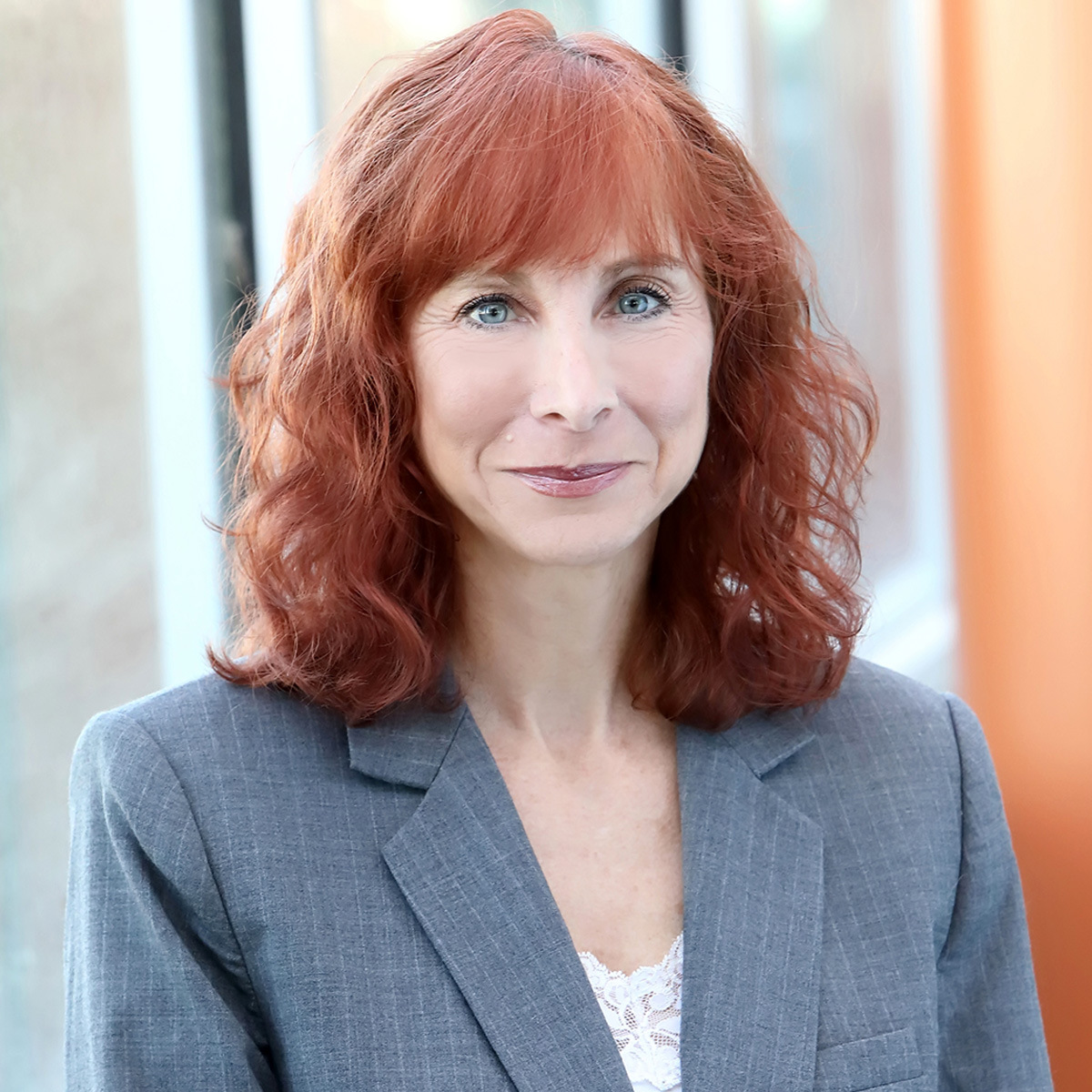
For over 13 years now, Nancy Weintraub has served as Chief Advancement Officer for Easterseals Southern California. In this role, she is responsible for leading teams in support of the organization’s strategic priorities, including development, entertainment initiatives, brand and sports partnerships and community/government relations. Previously, Nancy served as Assistant Dean of External Relations in the School of Biological Sciences at the University of California, Irvine (UCI) where she provided leadership and strategic direction to the marketing, communications and fundraising functions within the school. Other positions Nancy held during her 9+ years at UCI included Executive Director of Technical/Professional Programs and Senior Director of Corporate Relations. Prior to arriving at UCI, Nancy spent 10 years in healthcare development. Nancy began her career conducting clinical trials at Harbor-UCLA Medical Center, working with patients diagnosed with cancer and HIV/AIDS. Nancy is a graduate of UCLA, is married with an adult son, a Jack Russell Terrier rescue named Ziggy, and she and her family are avid hockey fans.
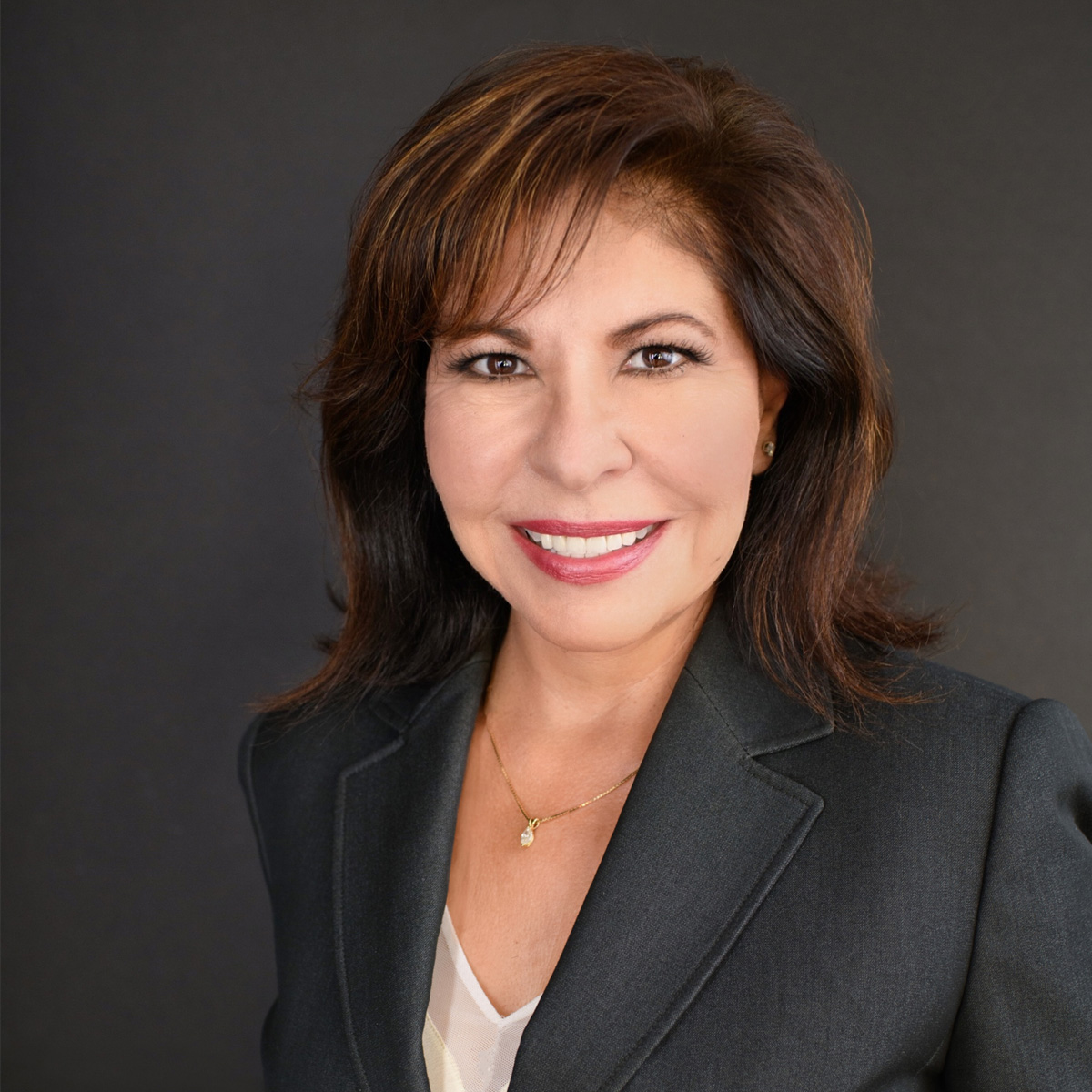
Charlene Dimas-Peinado is a seasoned nonprofit chief executive and licensed psychotherapist with more than two decades of leadership experience advancing behavioral health, housing stability, and community well-being. She currently serves as President & CEO of Wellnest, a nationally recognized trauma-informed behavioral health and supportive housing organization in Los Angeles, now in its second century of service.
Ms. Dimas-Peinado is widely regarded as a transformational leader who aligns mission, strategy, and infrastructure to expand access to care for vulnerable children, youth, and families. Her expertise spans complex government-funded systems, multi-sector partnerships, and large-scale capital development. She has led more than $100 million in real estate acquisition and development projects designed to strengthen community health infrastructure, integrating behavioral health services with stable housing and wraparound support.
Under her leadership, Wellnest has significantly expanded its reach and financial strength, earned national accreditations including CARF and Healthy Families America, and implemented modern governance and performance systems that emphasize accountability, measurable outcomes, and regulatory compliance. She has successfully guided organizational rebranding, strategic planning, electronic health record
implementation, and operational modernization in a highly regulated healthcare environment.
A respected voice in policy and advocacy, Ms. Dimas-Peinado works at the intersection of healthcare, housing, and public systems reform. She frequently collaborates with local and state leaders to advance equitable access to quality mental health services and to address the social drivers of health affecting children and young adults.
She holds a Master of Leadership from the University of Southern California and a Master of Social Work from California State University, Long Beach.
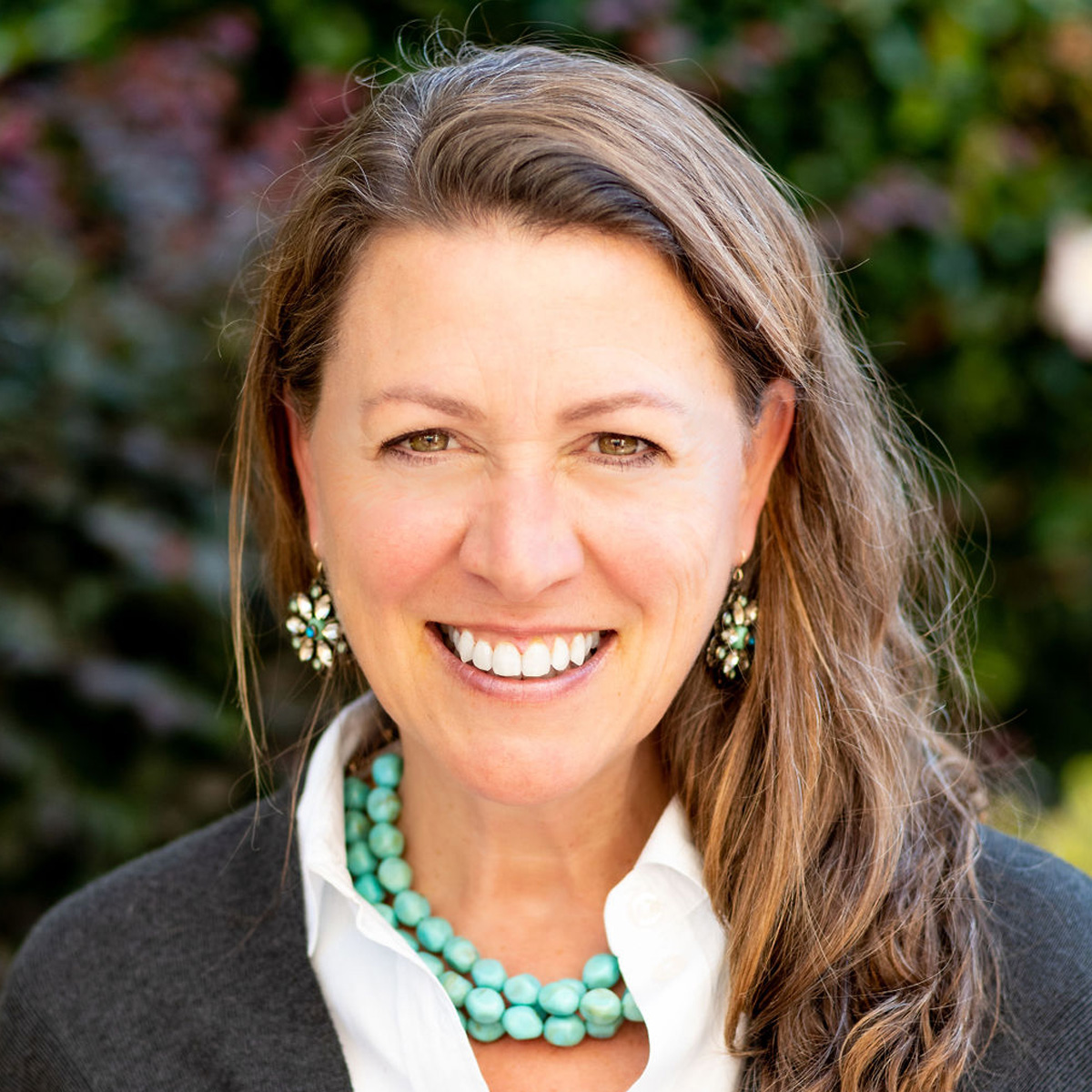
Betsy Biern is a nonprofit executive with over 30 years of organizational leadership experience. She has an extensive background in strategic, managerial, and fundraising leadership and serves as the CEO of the Make-A-Wish Greater Bay Area Foundation.
Prior, Betsy was Senior Vice President and Chief Development Officer of UCSF Benioff Children’s Hospital Oakland. She also served as the Executive Director of the American Asthma Foundation, Vice President for Development at The Brookings Institution, and Regional Vice President with Community Counselling Service Co., LLC (CCS). While at CCS, her client work included conducting planning studies and assessments, and designing and managing campaigns for clients in the healthcare, higher education, association, cultural, and global health arenas.
Betsy is a charter member of Fulcrum Nonprofit Leadership and serves on the Board of the 100 Club of Oakland. She also serves on the President’s Council for Global Refugee Services in Baltimore, Maryland. Betsy previously served as a Trustee of Phillips Academy in Andover, Massachusetts, an Advisory Council member of the Butler Koshland Fellowships in San Francisco, and a board member of the Oakland Rotary Endowment. Betsy holds a BA from Mount Holyoke College and an MBA from the University of Chicago Booth School of Business.
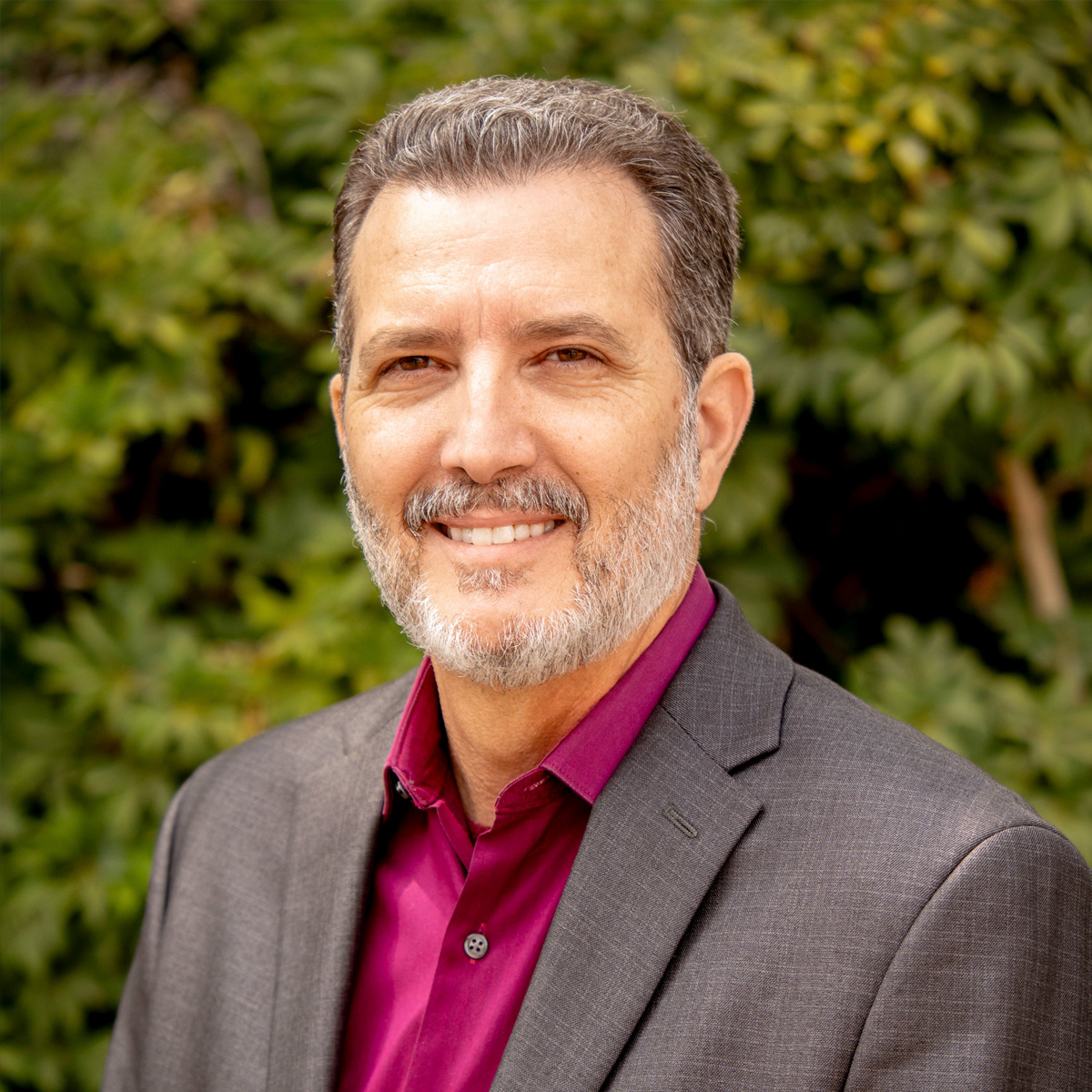
Throughout his career, Edward has worked with children, teens, individuals, and families from various walks of life. He has been a member of several boards, as well as serving as the Executive Director of The Concordia Schools – Los Angeles, the Managing Director for The Institute for the Redesign of Learning, and now as the CEO of the Jay Nolan Family of Companies.
Edward has led multiple organizations to financial prosperity through digital and cultural change by focusing on the greatest assets they have, their people. He is committed to helping the leaders in our communities and companies to drive lasting positive change through innovation that keeps people at the center. Edward has a Master’s Degree in Educational Psychology from California State Univ. Northridge, and certification in Transformative Leadership in Disruptive Times, from the Univ. of California at Riverside.
Having been in executive leadership roles for nonprofits for over 20 years, Edward believes one of the fundamental ways to strengthen our communities is through purposeful efforts to provide opportunities for every member to contribute. By providing safe, challenging, and diverse venues in which to grow, develop, and contribute, we create communities that are whole and healthy.

Tom grew up in a rural Midwestern community where his family raised cattle, and where farming and basketball taught him resilience, teamwork, and the discipline of relentless practice.
A basketball scholarship took him to Southeast Missouri State University, where he earned a Bachelor of Science degree. He later completed a Master of Science degree at the University of Nebraska, where his fundraising career began.
Over four decades, Tom has led advancement programs at startup, regional, land grant, and leading public and private universities. He has worked with nine university presidents, guided award winning cross functional teams, and completed six comprehensive campaigns.
He recently founded Philanthropy Futurism to help nonprofit leaders build future ready skills, cultures of curiosity, and responsible, ethical, human centric AI initiatives. He has authored more than 500 papers on advancement, leadership, and foundations, and is frequently called upon as a thought leader, strategist, keynote speaker, and panelist.
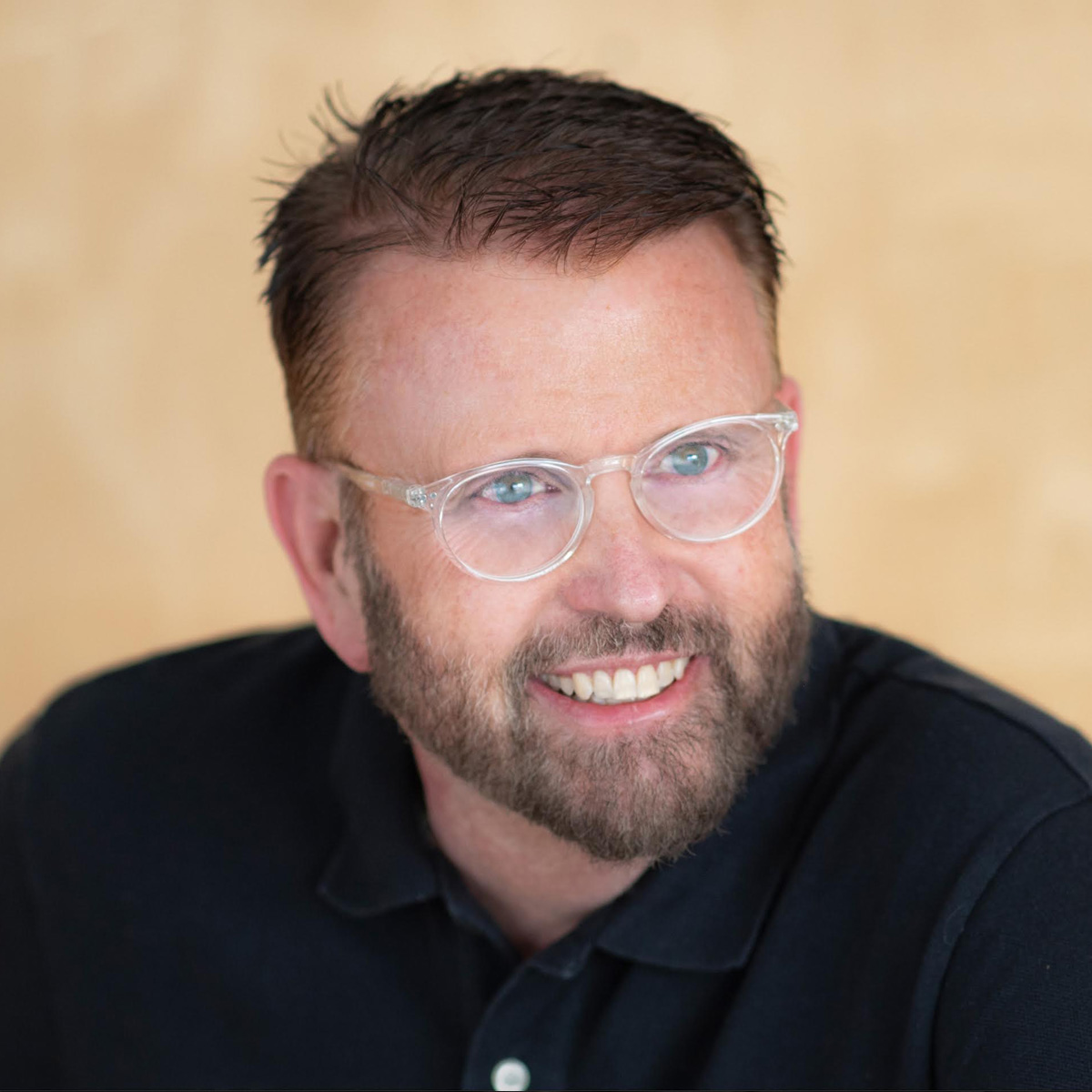
Jeffrey Wilcox founded Third Sector Company in Long Beach in 2002 and 25 years later it has become nationally recognized as setting the standard for strategic interim executive leadership of nonprofit organizations. He has trained over 700 interim leaders in 46 states and has provided service to more than 900 nonprofits. He is the former SVP for Community Development at United Ways in Los Angeles and Phoenix and was executive director of the CHOC Hospital Foundation. He was the nonprofit columnist for Long Beach Business Journal for 9 years and has been president of the Orange County Chapter of AFP. Named Alumnus of the Year in 2015 by the Seattle Pacific University School of Business, Jeffrey has received numerous awards and honors for contributions to the advancement of charitable organizations and professional trade associations.
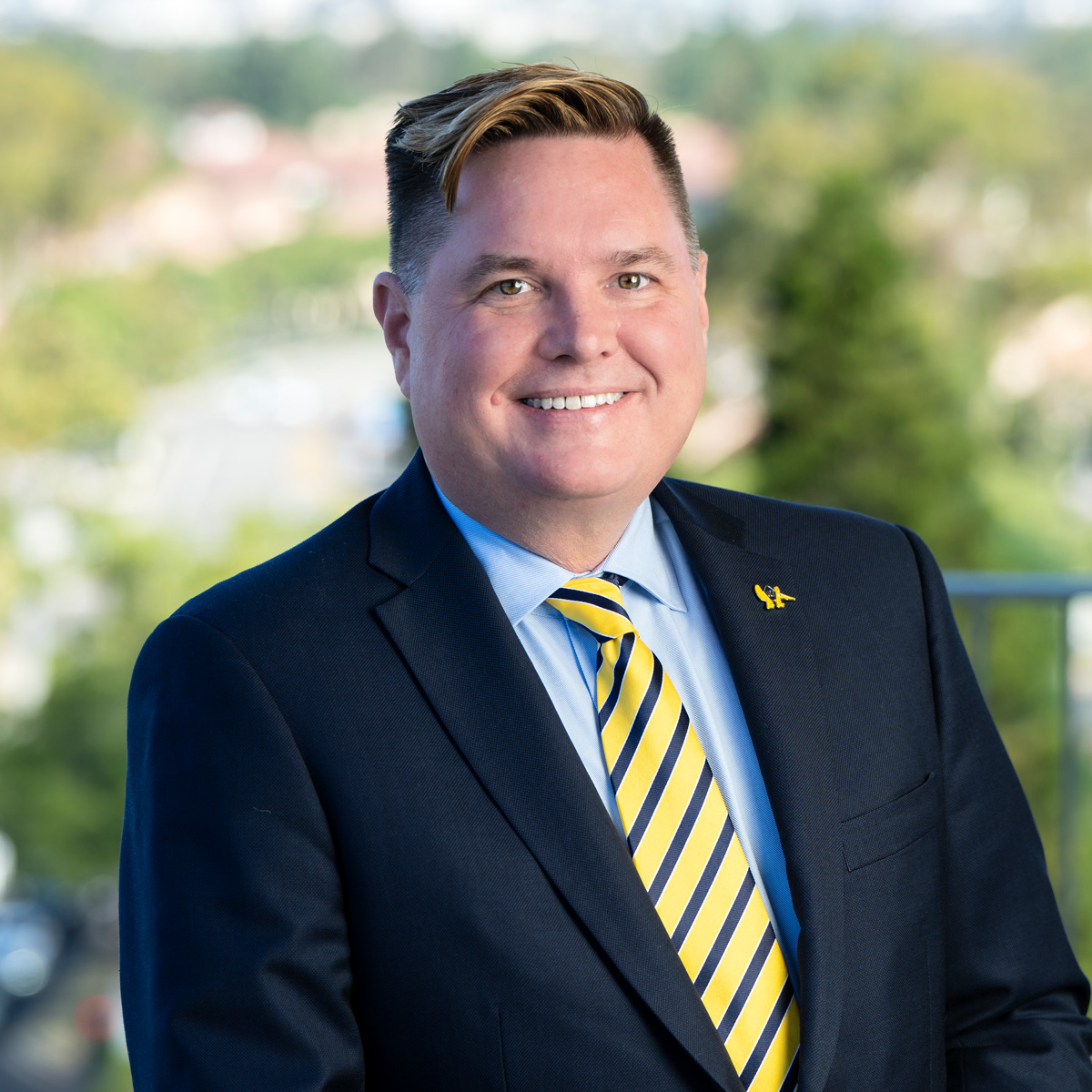
Brian T. Hervey serves as the vice chancellor for University Advancement and Alumni Relations and the president of the UC Irvine Foundation at the University of California, Irvine. He provides leadership over all aspects of the university’s fundraising programs, alumni relations and development initiatives. Under his direction, UC Irvine successfully completed the $2 billion Brilliant Future campaign, the largest philanthropic endeavor in the history of both UC Irvine and Orange County. The campaign not only achieved but surpassed its ambitious goal ahead of schedule, strengthening the university’s impact and ensuring continued excellence in research, education and public service. Before his appointment as vice chancellor, Brian served as associate vice chancellor for UCI Health Advancement.
Prior to joining UC Irvine, Brian led successful multimillion dollar fundraising campaigns at Scott & White Healthcare Foundation as its vice president for philanthropy and communications. In this role, he supervised staff in the areas of major gift development, communications and planned giving for the Baylor Scott & White Health Central Division, which included 14 hospitals and over 65 clinics in central Texas. Brian previously held various leadership positions at the Texas A&M Foundation and Texas A&M University System.
Brian is a Certified Fundraising Executive (CFRE) and a Certified Gift Planning Professional (CGPP). Additionally, he served as the chair for development on the institutional advancement steering committee for the Association of American Medical Colleges (AAMC), and has presented at conferences on advancement topics for the AAMC, Association for Healthcare Philanthropy (AHP) and Council for Advancement and Support of Higher Education (CASE). Brian serves on the boards of the Orange County Business Council and the Pacific Symphony. He graduated from Texas A&M University.
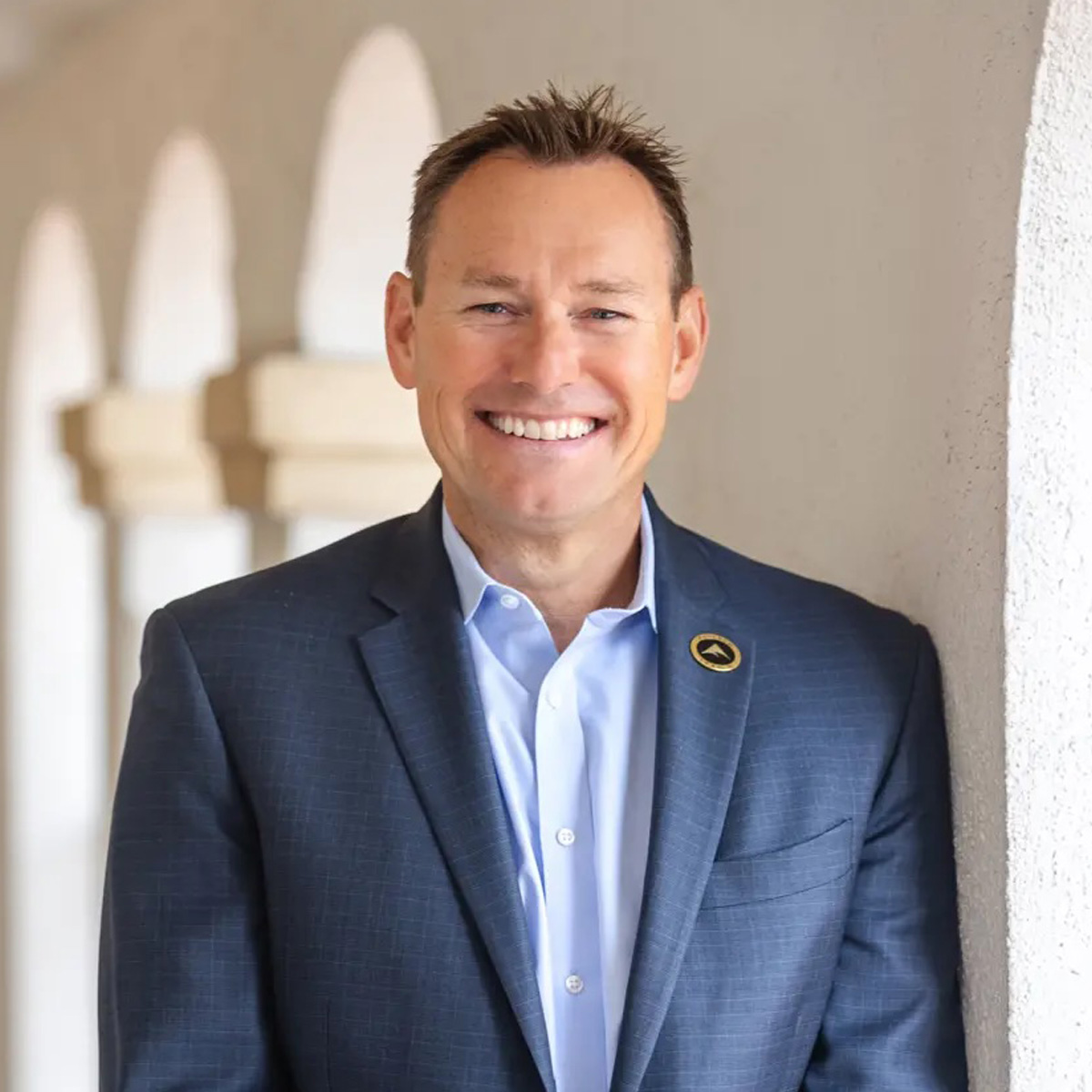
Chris Looney serves as Chief Strategy Officer and Managing Director at Covenant Philanthropic Solutions, where he helps guide the firm’s strategic direction, business development efforts, and client partnerships.
With nearly three decades of experience in fundraising consulting and nonprofit leadership, Chris brings deep insight into how organizations grow, raise resources, and lead with clarity and purpose.
Chris spent 25 years as a senior leader at CCS Fundraising, one of the nation’s largest fundraising consulting firms, where he advised hundreds of nonprofit organizations and partnered with thousands of nonprofit executives across the country. Over the course of his tenure, his client partners raised billions of dollars in service of their missions. Chris’s experience spans capital campaigns, major gifts strategy, organizational planning, and executive advisory work.
Nonprofit leadership is deeply rooted in Chris’s life and career. He is the son of two respected nonprofit fundraisers, and his wife, Anisha, also works in fundraising for a leading research hospital. Service, philanthropy, and mission‑driven work have long been central to their family life.
In addition to his consulting work, Chris is the founder of Fulcrum Nonprofit Leadership and The Five Tool Fundraiser, initiatives focused on strengthening nonprofit leadership and fundraising practice. He is the author of The Five Tool Fundraiser, 365 Nonprofit Leadership Lessons, and 365 Fundraising Truisms, which reflect his practical, values-driven approach to leadership and organizational effectiveness.
Chris has contributed to the for-purpose community through board and leadership service with organizations including the AFP International Foundation for Philanthropy, The Giving USA Foundation, the Giving Institute, and Mariners Church, where he remains actively engaged. Chris and Anisha live in Irvine, California with their three children, where the family continues to be actively engaged with community service opportunities.
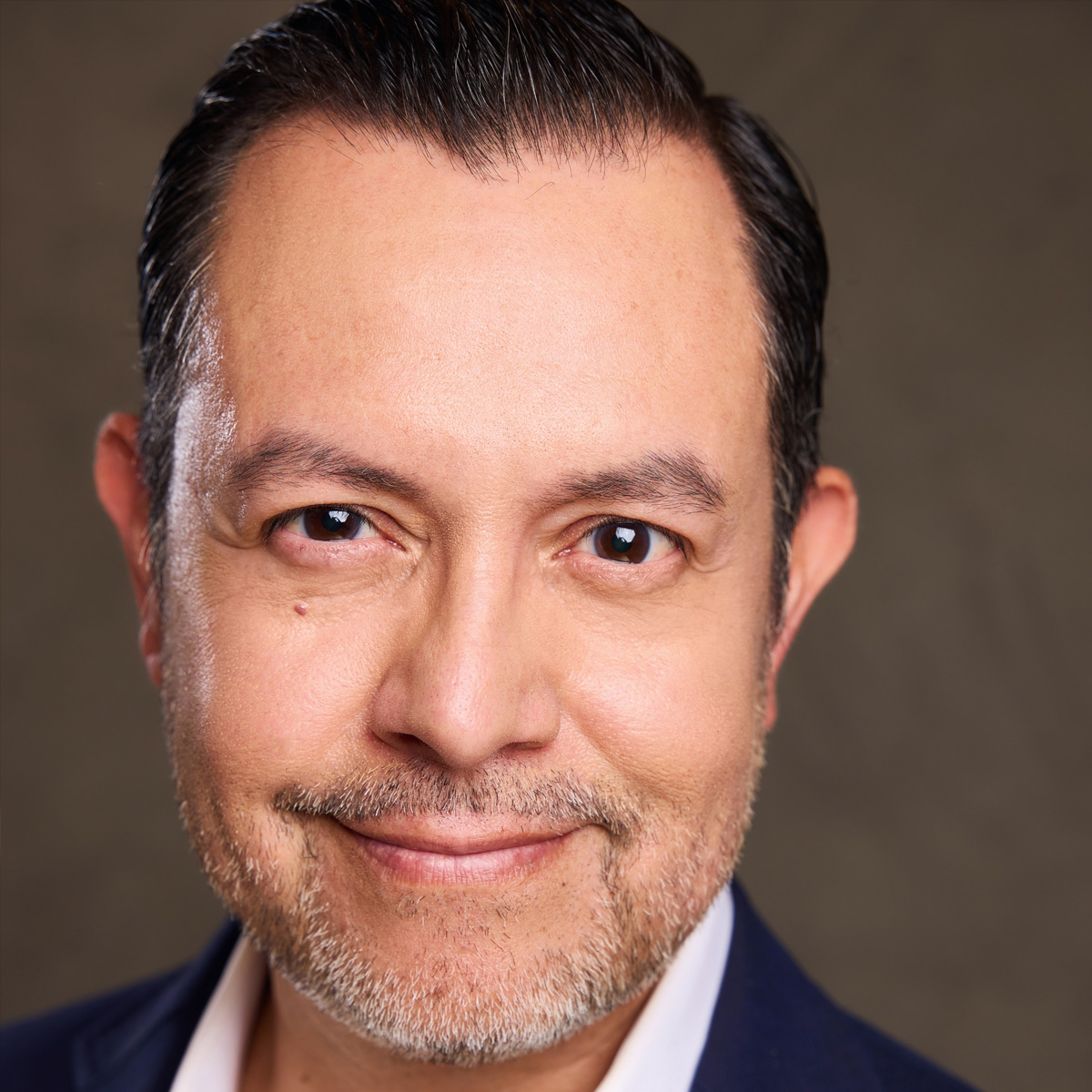
Steve Delgado is an executive with over 25 years of leadership across publicly held companies, private corporations, and nonprofits. He is the co-CEO of Homeboy Industries, the largest gang rehabilitation and re-entry program in the world, which serves 10,000 people each year and has an annual budget of $50M.
Heeding a call to dedicate his professional life to serving marginalized communities in Los Angeles, Steve joined Homeboy Industries in 2019 as Chief Development Officer. In this role, he led Homeboy’s successful “Hope in Action” campaign, which raised more than $160 million in private contributions to expand Homeboy’s impact. He also developed public sector partnerships, resulting in federal, state, and local funding for Homeboy’s expansion, totaling nearly $40 million.
Steve was elevated to Chief Operating Officer in 2021 to oversee advancement, develop Homeboy’s 14 social enterprises, create strategic initiatives, and expand the Global Homeboy Network, a community of more than 600 like-minded organizations that leverage Homeboy’s model worldwide. Steve has also led Homeboy to innovate a healing-centric workforce development hub, extending Homeboy’s therapeutic model into its expanding social enterprises with a focus on quality job creation.
During Steve’s tenure, Homeboy has been recognized with transformational private gifts and public grants, including MacKenzie Scott & Dan Jewett’s $20 million gift and the Conrad N. Hilton Humanitarian Prize, an award bestowed to Homeboy for making extraordinary contributions toward alleviating human suffering. In partnership with Father Greg Boyle and the Homeboy leadership team, Steve is implementing a vision for Hope Village, a new paradigm in re-entry services that will serve as a model for the nation.
Prior to joining Homeboy Industries, Steve was the Vice President for Advancement at Whittier College, where he led external relations and development.
A lifelong Angeleno, Steve earned his MBA from the Darden School of Business at the University of Virginia and a bachelor’s degree from the University of Pennsylvania.
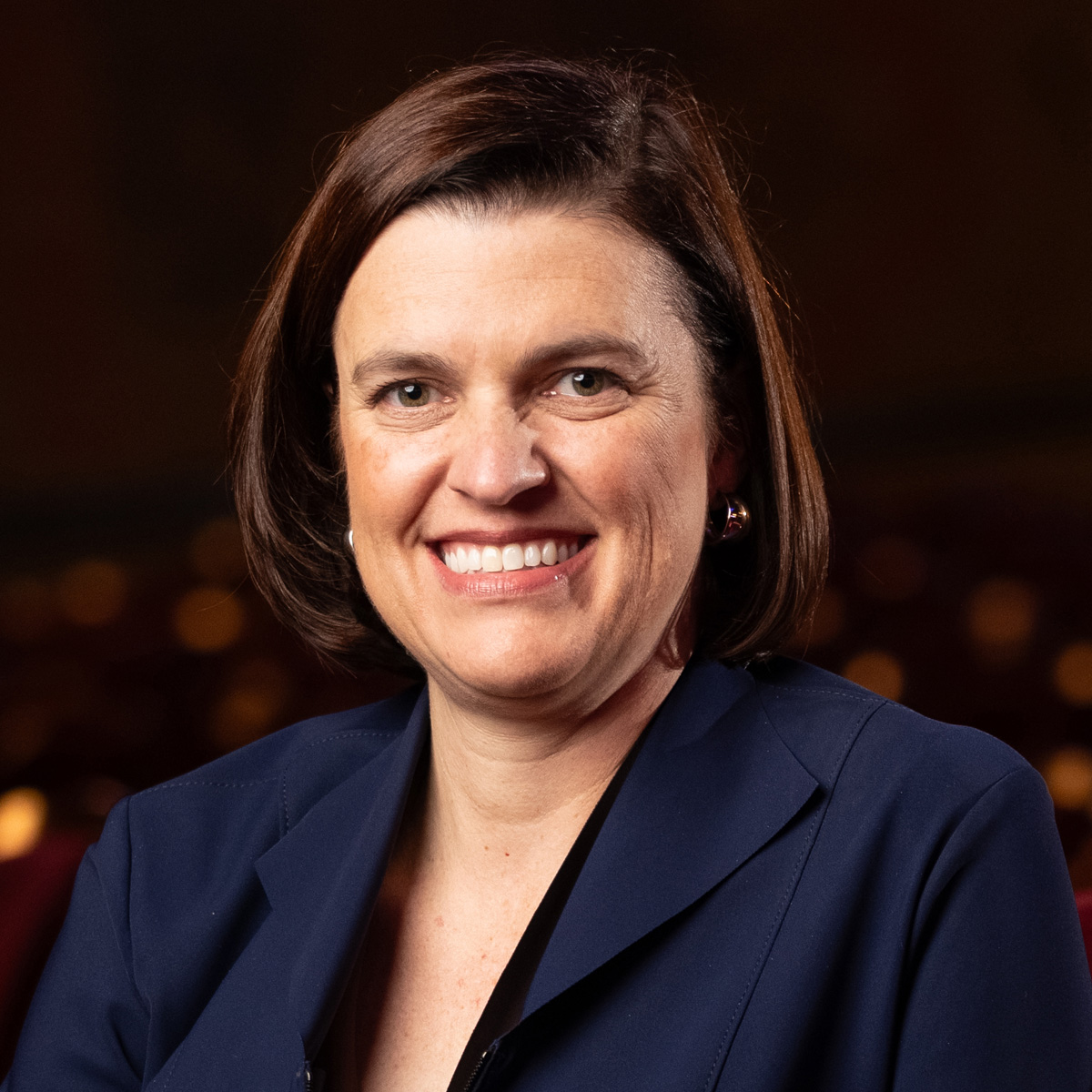
Known for being a results-driven arts executive with a focus on authentic audience engagement and community-focused programming, Richmond Symphony President & CEO Lacey Huszcza has more than 20 years of success in business development, organizational growth, strategic planning, and digital innovation.
Lacey moved to Richmond in 2020 to lead the Symphony’s administrative team. Named one of Musical America’s Top 30 Professionals of 2018, Lacey is celebrated for her commitment to expanding the diversity efforts of American orchestras as well as her ability to tailor an organization to respond to the ever-increasing need to build relationships and community presence.
As President & CEO, Lacey oversees the Symphony’s administrative operations; providing vision, leadership and direction for all fundraising, marketing, and human capital needs; and works with the Board of Directors and Music Director Valentina Peleggi to chart the Richmond Symphony’s growth both artistically and financially.

With over 30 years of nonprofit leadership and management experience, Executive Coach, Nancy strives to inspire leaders to achieve success both personally and for their organization.
She is the author of “The Nonprofit Manifesto.” Nancy Batterman offers a powerful, practical guide for nonprofit leaders who are ready to stop surviving and start thriving.
Her extensive experience working within the nonprofit sector and her MBA brings a unique combination of perspective, experience, and education, to help her nonprofit clients develop effective business strategies, grow their organizations in a sustainable way and perform at a high level of success.
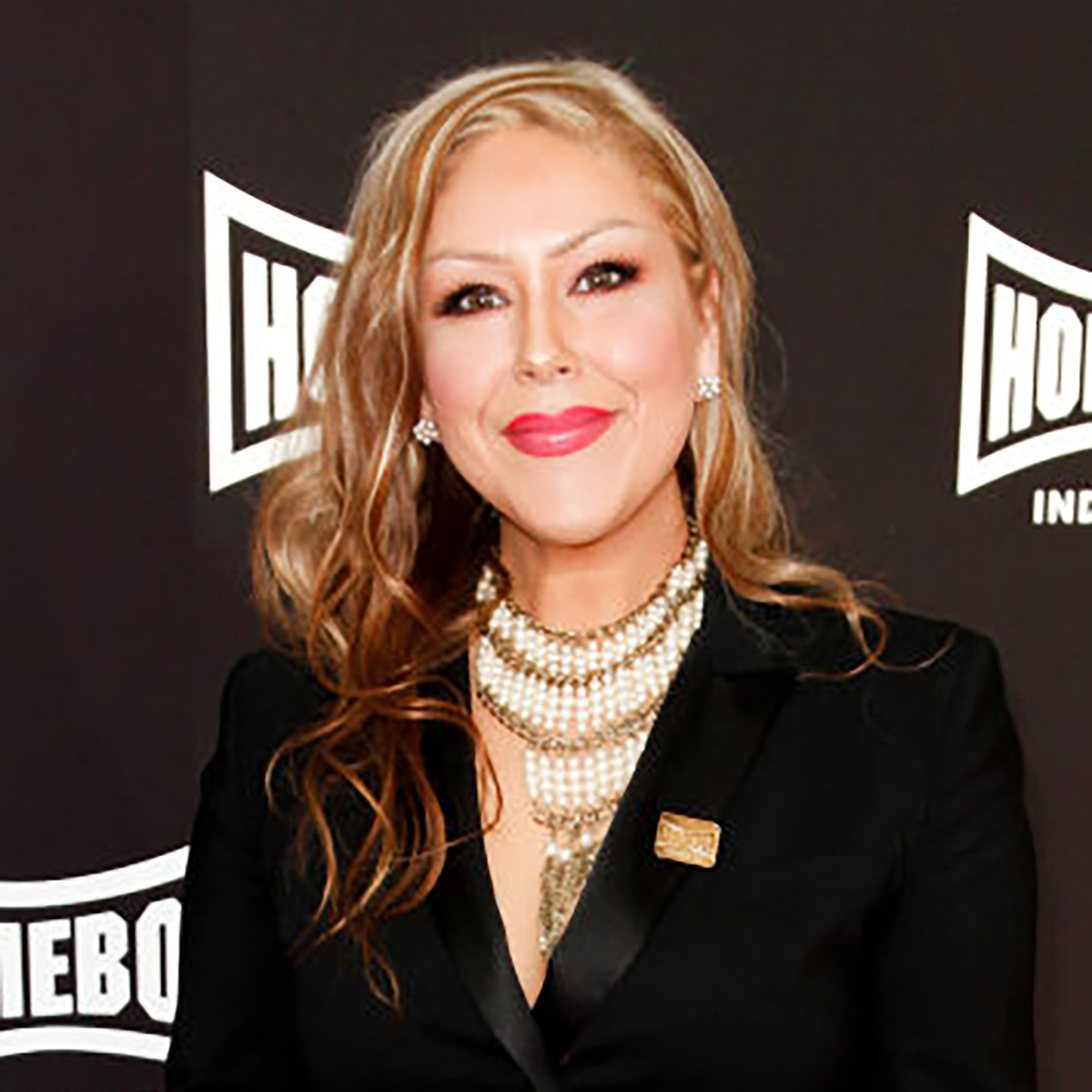
Shirley Torres has redefined public health and safety through innovative, care-based solutions at Homeboy Industries. She is a visionary leader, helping people leave gang life behind. For over 20 years, Shirley has been instrumental in Homeboy Industries’ evolution from a single center into three thriving campuses, including the Youth Reentry Center and the Homeboy Art Academy, impacting tens of thousands of formerly incarcerated and gang-involved people.
As Chief Program Officer, she co-created Homeboy’s groundbreaking 18-month reentry model, integrating healing, educational pathways, and job training to disrupt cycles of violence, trauma, and incarceration. The number of participants served has doubled in the last five years, and under her leadership Shirley has introduced a more comprehensive continuum-of-care offering more choices and chances for people to change the arc of their lives.
Shirley’s dedication to a people-centered approach has fostered spaces where those with lived experience are empowered to lead at every level of the organization. A first-generation college graduate from South Central Los Angeles, Shirley holds a master’s degree from USC and a bachelor’s degree from UCLA, and her work continues to expand opportunities for those seeking a second chance to be seen, heard, and cherished.
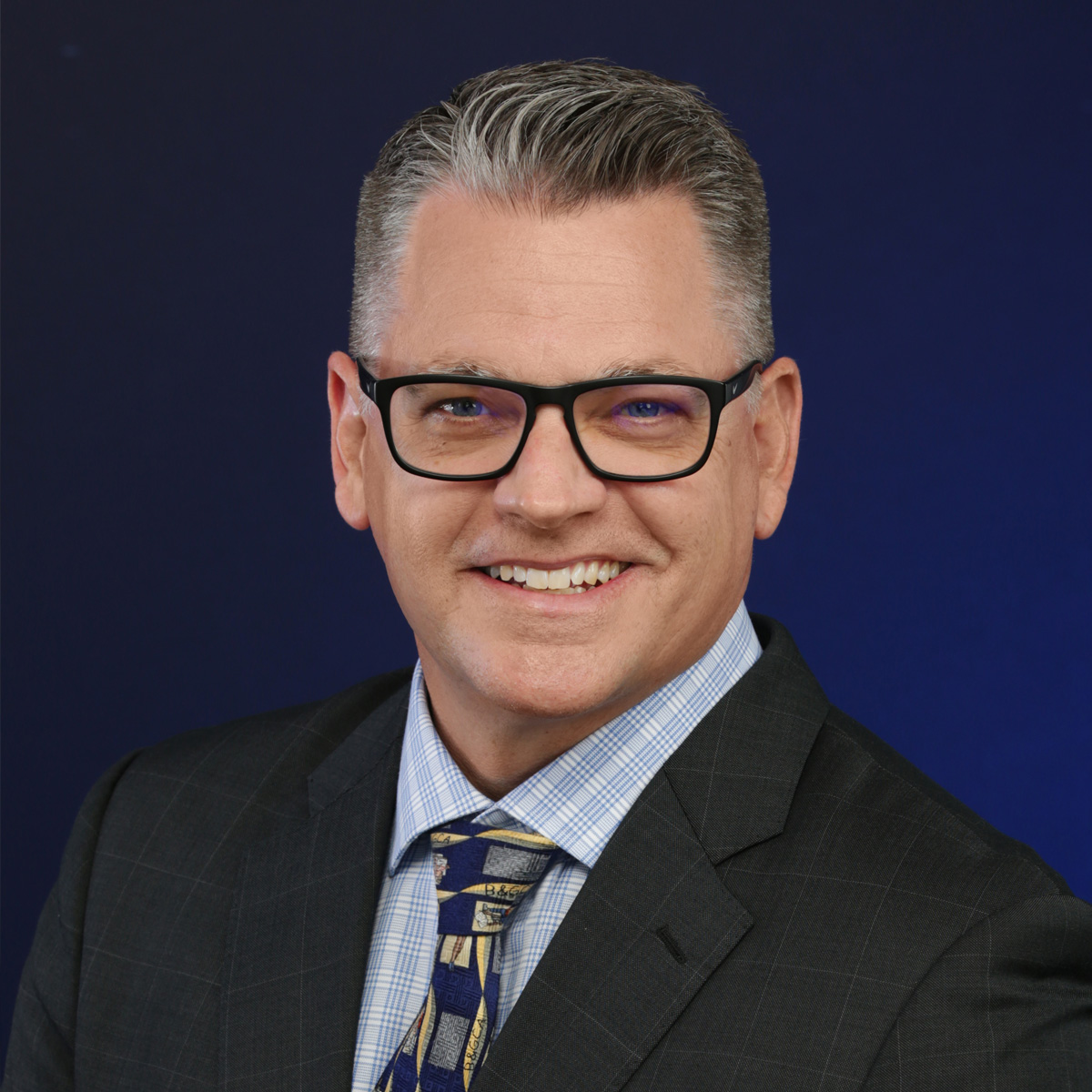
Art Groeneveld serves as the Chief Executive Officer of Boys & Girls Clubs of Huntington Valley, where he has dedicated over 30 years to advancing youth development. Throughout his distinguished career, Art has held numerous leadership roles, including Executive Director, Director of Development, and Athletics Director. His commitment to building stronger communities extends far beyond the Club. He serves on the boards of UCI Health – Fountain Valley and the Fountain Valley Kiwanis Club, where he is a Lifetime Member and past president. Art also sits on the BGCWA Trust Insurance Board and serves as Secretary for the Boys & Girls Clubs in Orange County Area Council, which was named Pacific Region Area Council of the Year in 2024 under his leadership. A dedicated mentor and community volunteer, Art empowers both youth and fellow nonprofit leaders, embodying his lifelong commitment to service, collaboration, and impact.
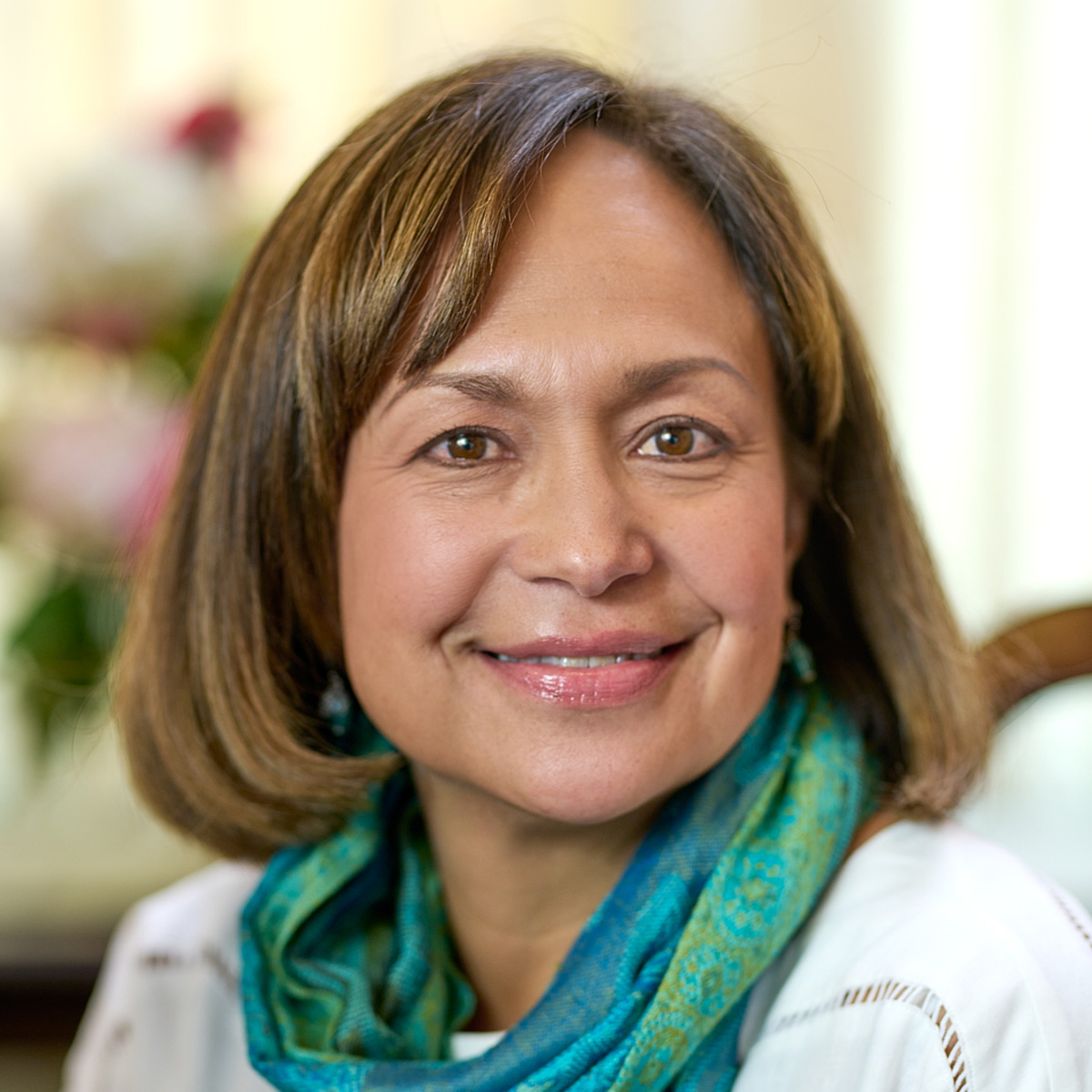
An established nonprofit executive in Southern California with over two decades of experience in a senior leadership capacity, Claudia Bonilla Keller joined Second Harvest Food Bank of Orange County as chief mission officer in February 2020 and was named to the role of CEO as of January 1, 2022. As CEO, Keller has continued Second Harvest’s focus of ensuring dignified, equitable and consistent access to nutritious food for all who need it in Orange County.
A combined public health and economic crisis has necessitated ever-shifting needs for the organization since Keller’s arrival. After just a few short months on the job, COVID-19 closures and shutdowns prompted drastic operational changes at Second Harvest. Keller quickly took on the tasks of chief development officer, with fundraising taking center stage and in support of Second Harvest’s marketing and communications efforts. As CEO, Keller uses her passion for advocacy to further the mission of Second Harvest.
Prior to working for Second Harvest, Keller served as chief program officer for the LA Promise Fund, leading programs and services in its network schools and public schools across Los Angeles County. Before that, she led LA Promise Fund’s communications and fundraising initiatives as chief development officer. She also served as the organization’s health director, managing all school health and wellness projects and programs.
Before joining LA Promise Fund, Keller was senior vice president and executive director of the American Heart Association in Los Angeles and, in 2007, was named Executive Director of the Year. Under Keller’s guidance, the Los Angeles office thrived in the Association’s hallmark Childhood Obesity platform, Teaching Gardens, by implementing more school gardens and related school programs than anywhere else in the country.
Keller also spent over 18 years in the fashion industry in advertising, public relations and marketing, as well as shaping corporate social responsibility, cause and philanthropic initiatives for iconic Orange County brands such as St. John Knits and Vans. St. John Knits was the first brand to sign on and host a fashion show for Harvesters, a dedicated group of women committed to raising funds and awareness for Second Harvest. Since transitioning to the nonprofit sector in 2005, Keller has focused her work and volunteer activities on root cause social issues such as health, poverty and education.
Keller holds a bachelor’s degree in Political Science from UC Irvine and a master’s degree in Public Administration with a concentration in urban management from Cal State Fullerton. She resides in Placentia and actively contributes to various boards and organizations focused on food insecurity, such as serving on the boards of the California Association of Food Banks and the Friendly Center.
She also serves on the Alumni Association board at UC Irvine and the Public Administration Advisory Board at Cal State Fullerton. She earned her Master Gardener certification from UC Cooperative Extension in 2019. Keller was also recognized by the UC Irvine Alumni Association and its board of directors as a 2020 Lauds & Laurels Award recipient for her service to the community and her profession.
Since joining Second Harvest Food Bank, Keller has received the following recognition:
As the bilingual daughter of immigrants from Colombia and El Salvador, Keller grew up in Torrance, CA, before moving to Orange County in 1983 to attend UC Irvine. Keller’s personal interests include gardening, travel, playing soccer and languages.
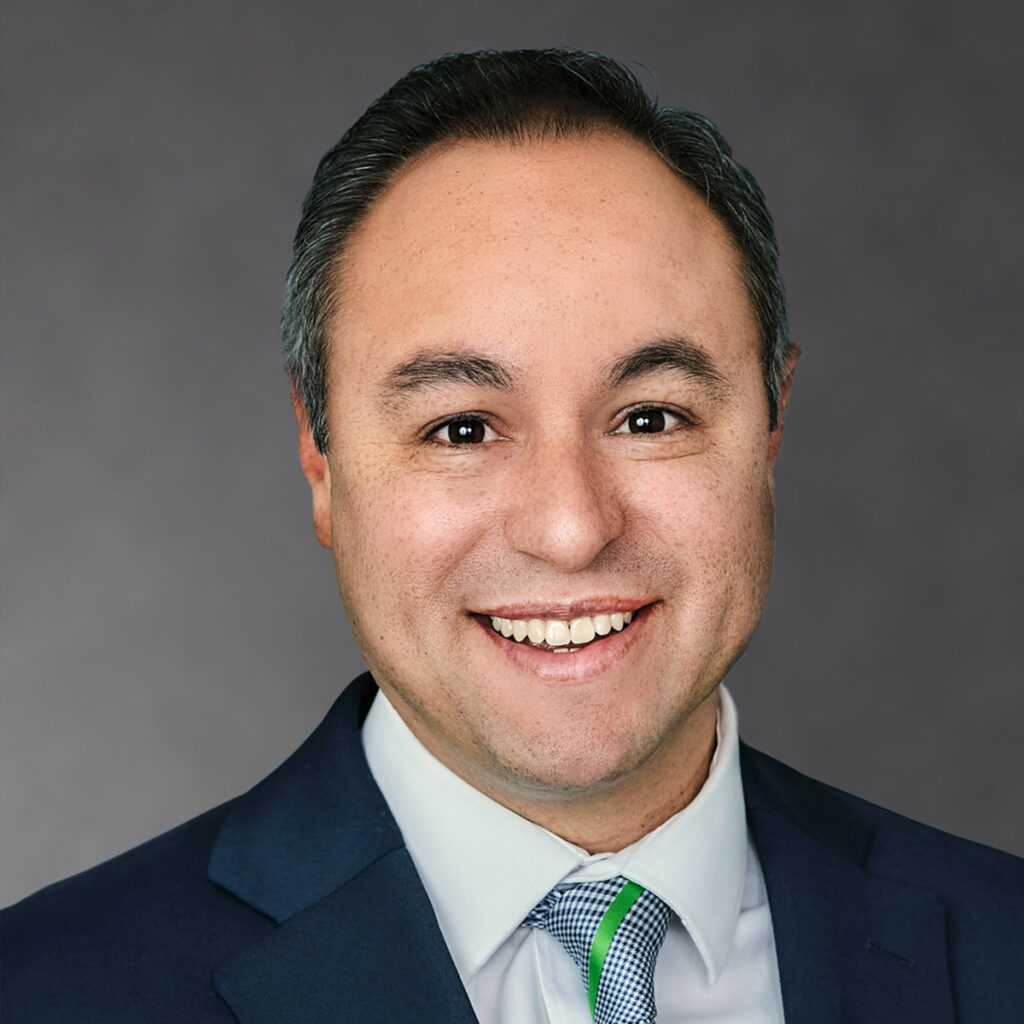
Casey Castillo was appointed Chief Executive Officer by the Jacobs & Cushman San Diego Food Bank’s Board of Directors in 2022, after having served in leadership roles at the hunger-relief nonprofit for over 14 years. Castillo joined the Food Bank as Chief Financial Officer in 2008 and was subsequently promoted to Vice President of Finance and Administration. With over 20 years of expertise in executive, financial, and nonprofit management, Castillo has been instrumental in the substantial growth of the Food Bank’s programs and services.
Castillo has stewarded the Food Bank’s annual budget, led major fundraising campaigns, overseen multi-million-dollar infrastructure improvements to the Food Bank’s facilities, recruited a diverse and talented Board of Directors, and is currently leading the development of a new strategic plan with the Food Bank’s fifteen-member leadership team.
Under Castillo’s leadership, the Food Bank has navigated significant economic challenges, including the Great Recession and the COVID-19 pandemic, which saw the number of people served by the Food Bank rise from 350,000 to 600,000 monthly. Before the pandemic, Castillo oversaw food purchasing of $2 million annually, but during the crisis, this amount surged to over $20 million to meet the exponential increase in need. Throughout the pandemic, Castillo helped oversee the distribution of over 100 million pounds of food to communities across San Diego County.
Castillo has helped lead the creation of several cutting-edge Food Bank programs including the Food Bank’s College Hunger-Relief Program that serves every public college and university in the county, the Mobile Pantry Program serving rural communities and tribal nations, the Diaper Bank Program providing over 8 million emergency diapers at 80 distribution sites throughout the county annually, the On-the-Go Pantry Program providing food assistance to over 5,000 middle and high school students at their school campuses, and Castillo has overseen the expansion of the Food 4 Kids Backpack Program which is providing weekend food-filled backpacks to over 3,300 food-insecure elementary schoolchildren at 76 elementary schools countywide.
Castillo also spearheaded the Food Bank’s environmental sustainability program. He oversaw the establishment of the Fresh Rescue Program which is preventing millions of pounds of nearly expired food from going to waste and redirecting it to those in need. Castillo oversaw the construction and establishment of a new 3,400-square-foot Recycling & Composting Center for food waste and recyclable materials. In addition, Castillo led a major energy audit of the Food Bank leading to the installation of 1,400 solar panels making the Food Bank energy independent and the organization being awarded LEED’s v4 Gold Certification and the EPA’s Energy Star Award. Castillo has overseen several multi-million dollar upgrades to transform the Food Bank’s warehouse into a state-of-the-art facility for hunger relief including the major expansion of the Food Bank’s industrial refrigeration units, the addition of an emergency backup generator, and the construction of a 9,000-square-foot volunteer center.
Castillo currently serves on the Sharp Memorial Hospital Board of Trustees, the San Diego Regional Chamber Board of Directors, and the California Association of Food Bank’s Board of Directors, Executive Committee, Finance Committee, and Farm to Family Committee. Castillo holds a B.S. from Brigham Young University, an MBA from California State University, San Bernardino, and is an alumnus of LEAD San Diego’s Impact Program. Based in San Diego, Castillo is a dedicated family man with three children and actively participates in community service through his church.
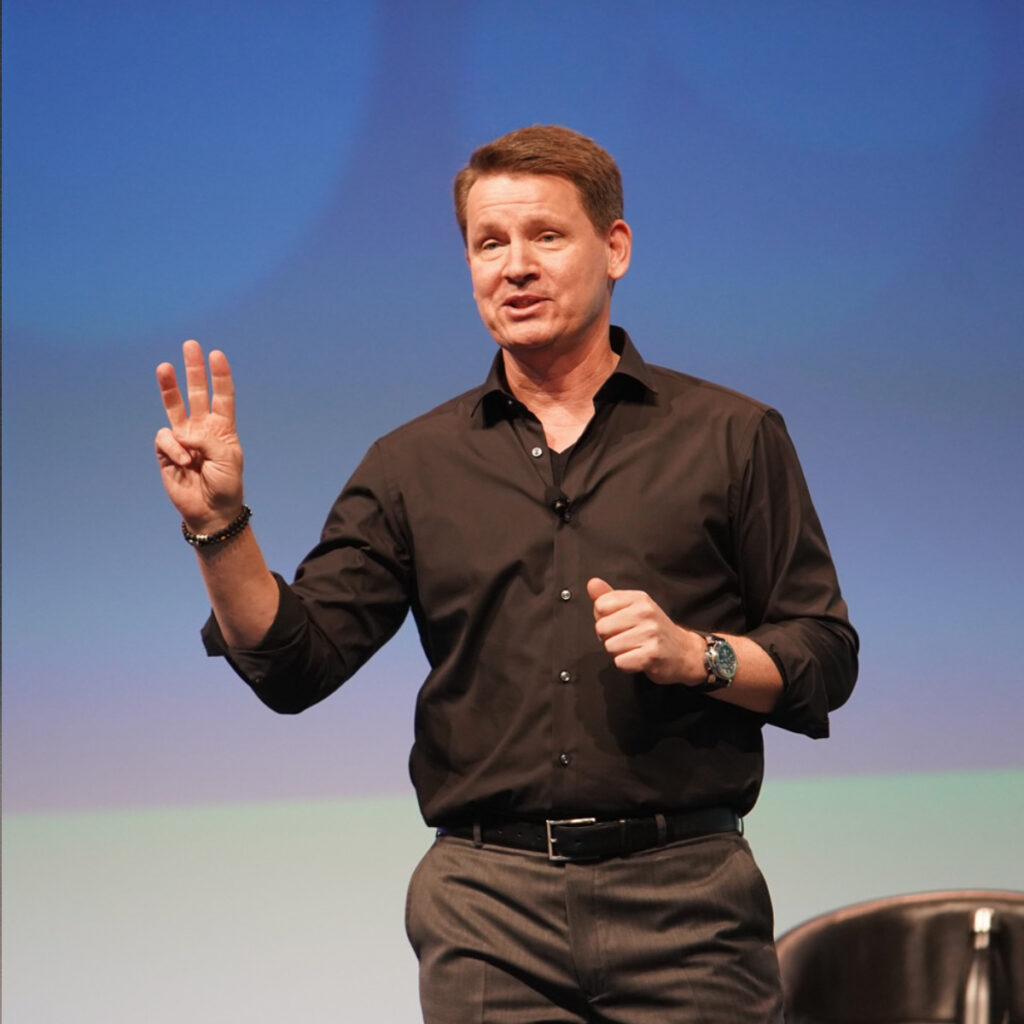
Mike Geiger is Immediate Past President and Chief Executive Officer of the Association of Fundraising Professionals (AFP), representing individuals and organizations that raise more than $115 billion in charitable contributions every year for countless causes around the world.
Mike has over 25 years of leadership experience in the nonprofit sector and several years ago was ranked as #15 in Onalytics’s list of Top 100 Charity Social Media Influencers. Prior to accepting the President & CEO role for AFP, he served as executive director of the Chief Executives Organization, Inc., an international membership organization with a focus on education. He has previously served in senior executive positions for the German Marshall Fund of the United States, and the Carnegie Endowment for International Peace.
Mike served for 9 years on the board of the Romanian American Foundation, created by a 1995 act of the United States Congress, which promotes a democratic society to ensure access to opportunities for all segments of the Romanian population.
Born and raised in Copenhagen, Denmark, Mike is a Certified Public Accountant. He holds a Bachelor’s degree from the University of Richmond and a Master’s in Business Administration from Northeastern University. He moved to the U.S. to attend college and now lives in northern Virginia. A very, very long time ago, Mike was an internationally competitive tennis player, and while he remains passionate about the sport, he spends most of his time with family and friends, a glass of good bourbon and a Nordic crime novel.
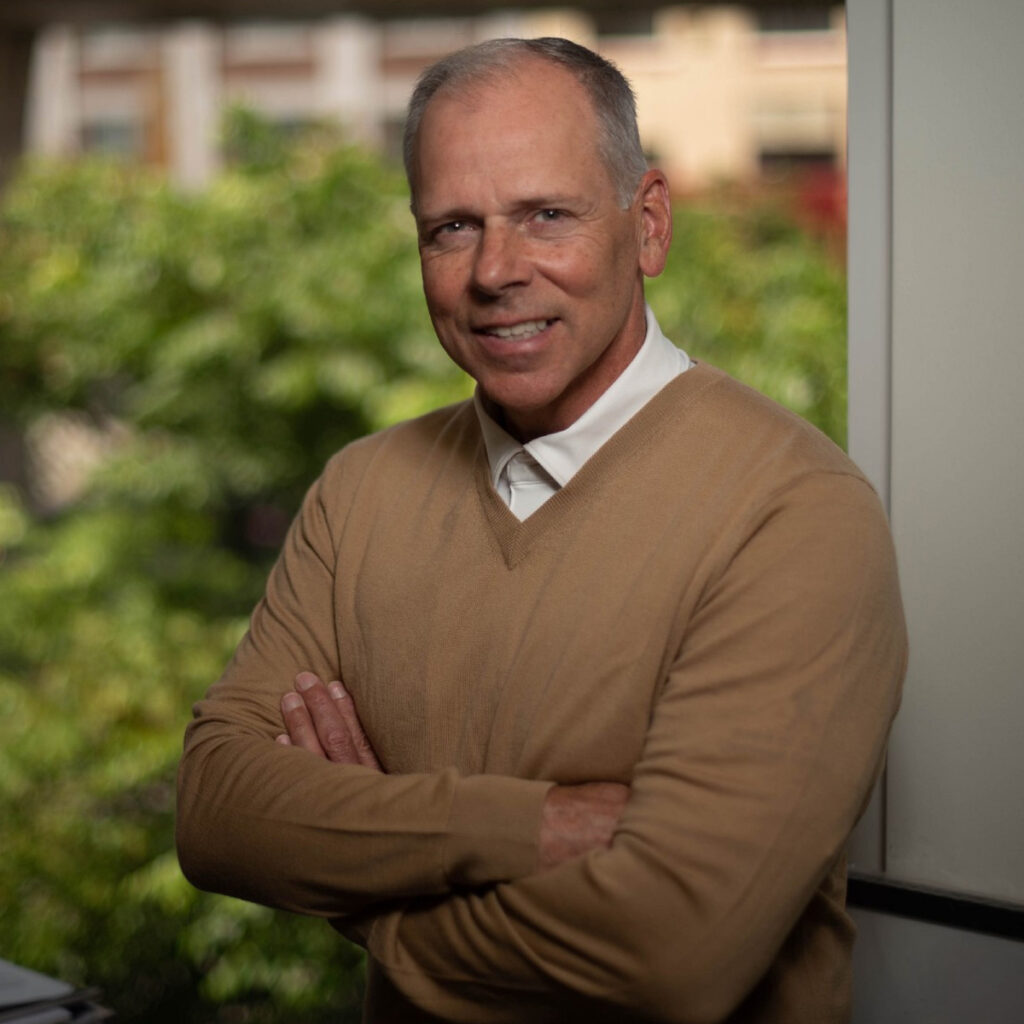
Tom Vozzo is an author, speaker, and former Fortune 200 executive. After serving for 12 years as the first-ever CEO of Homeboy Industries, the largest gang rehabilitation and re-entry organization in the world, Tom recently passed the leadership to a new team and has taken on the position of Senior Advisor at the cherished institution.
A transformational leader, during his tenure, the organization quadrupled in size and impact, with a strong emphasis on promoting from within. Currently, 70% of the leadership team consists of former Homeboy clients. Tom has expanded Homeboy’s
range of social enterprises, which include Homeboy Bakery, Homegirl Café, and Homeboy Recycling. He significantly increased revenue from these enterprises, reducing reliance on donations and government funding
Tom is passionate about helping those on the margins of society and addressing the challenges posed by racial, economic, and systemic injustices. His award-winning book, “The Homeboy Way,” published by Loyola Press, focuses on themes of compassion, kinship, empathy, and social justice.
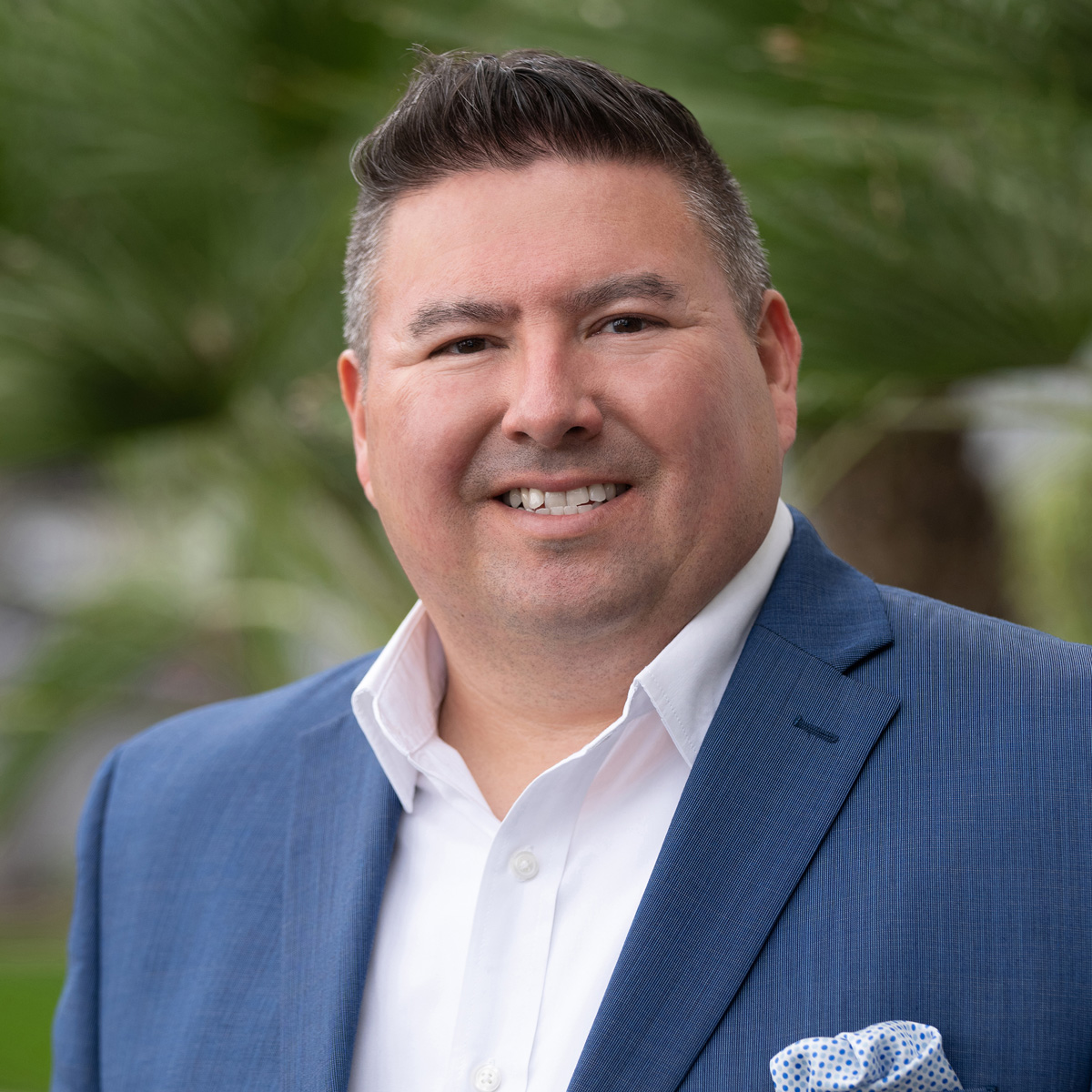
Robert Santana is a social entrepreneur, leadership expert, keynote speaker, and this year celebrates 21 years of service as CEO of the Boys & Girls Clubs of Central Orange Coast. After serving in the US Air Force as a member of the 15th Security Forces Unit, Robert found his way to the Boys & Girls Clubs where he has raised over $120M for Orange County youth. Robert’s passion for mentorship and challenging the status quo has transformed Boys & Girls Clubs of Central Orange Coast into one of the most respected and innovative Clubs in the country.
Robert holds degrees in Criminal Justice, Justice Administration, Child & Adolescent Development, a Master’s in Business Administration, as well as Certificates in Organizational Leadership, Executive Coaching and in Design Thinking.
Robert’s impact in our community extends beyond the Club as he has also served as Interim CEO of 8 Nonprofits while still serving in his capacity as CEO of Boys & Girls Clubs of Central Orange Coast. Currently Robert is serving as Consulting CEO of Boys & Girls Clubs of South central Alaska. In addition to leading his Boys & Girls Club, Robert mentors several Nonprofit CEO’s and serves on the Board of Directors and Advisory Boards of Cal State Fullerton School of Business & Economics, Chapman University School of Education, Fulcrum Nonprofit Leadership, and Samueli Academy Charter High School. Robert is also an active contributor to the Forbes Nonprofit Council where he shares his insight and best practices with nonprofit leaders globally.
Robert is proud of many accomplishments but is most proud of designing and launching the Club’s College Bound program, which is laser-focused on getting first-generation students into college. Since launching in 2014, the Club has served almost 15k OC High School Students, secured over $13M in scholarships and financial aid for students, and distributed over $1M in direct scholarships from the Boys & Girls Clubs of Central Orange Coast Scholarship Fund.
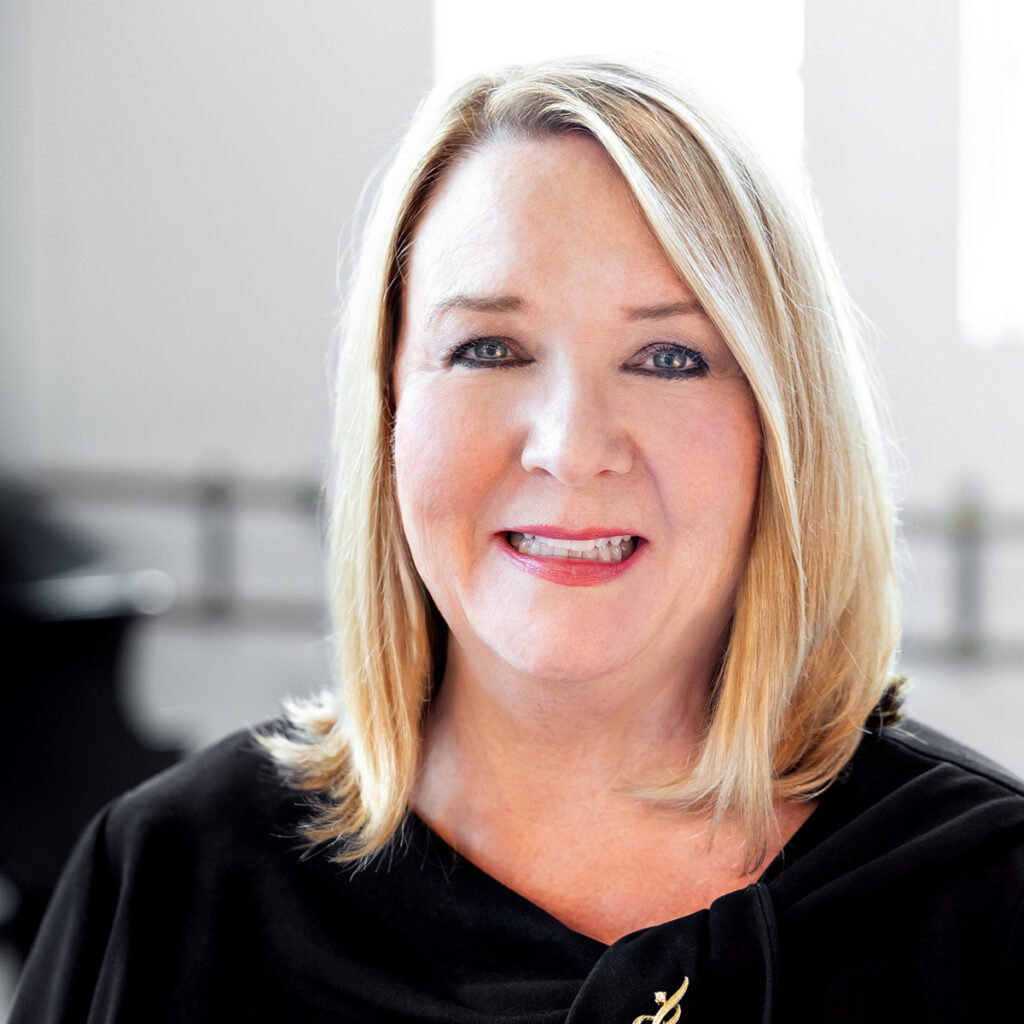
Dawn S. Reese, CFRE is the Chief Executive Officer of The Wooden Floor. She is a social innovator who leverages her unique blend of experience in business, technology, education, and the arts to propel young people forward. During Dawn’s 16-year tenure, the organization’s budget has grown from $2.1M to $3.9M and The Wooden Floor’s Endowment Fund grew from $1.8M to $8.6M. She has led growth efforts to scale its impact, both locally and nationally through its Licensed Partner program. The Wooden Floor’s mission is to inspire and transform the lives of young people through the power of dance and access to higher education. Since 2005, 100% of the students who graduate from The Wooden Floor immediately enroll in higher education.
With the Board of Directors, Campaign Cabinet and staff, Dawn led a 4-year, $20.5M comprehensive campaign called Lift, the largest in the organization’s history which culminated in 2020. Subsequently in 2023, The Wooden Floor launched a new endowment campaign called Step Forward to raise funds for its merit-based college scholarship program. In 2015, Dawn became a Certified Fund Raising Executive (CFRE) to advance ethical fundraising practices and is one of only 8,200 CFREs worldwide.
Dawn has been honored with the following awards: 2024 Orange County Register 125 Most Influential People in Orange County; 2023 Empowering Lives Award by Templo Calvario; 2023 Sam Estes Award for Community Leadership by the Santa Ana Task Force; 2022 Orange County Visionary by the Los Angeles Times Orange County; 2020 Women of Distinction Award from 34th CA Senate District; 2019 Women Breaking Barriers Award from Connected Women of Influence; the 2016 Center for Leadership Award for Innovation from California State University Fullerton, among others.
Currently, Dawn serves on the Board of Directors for the Advisors in Philanthropy, MVS Foundation, OC Forum, OneOC, as well as Orange County Music and Dance, Passkeys Foundation, Santa Ana Chamber of Commerce and The Wooden Floor. Dawn is an author, mentor, consultant, and national conference presenter on the topics of leadership, strategic planning, board governance, and fundraising.
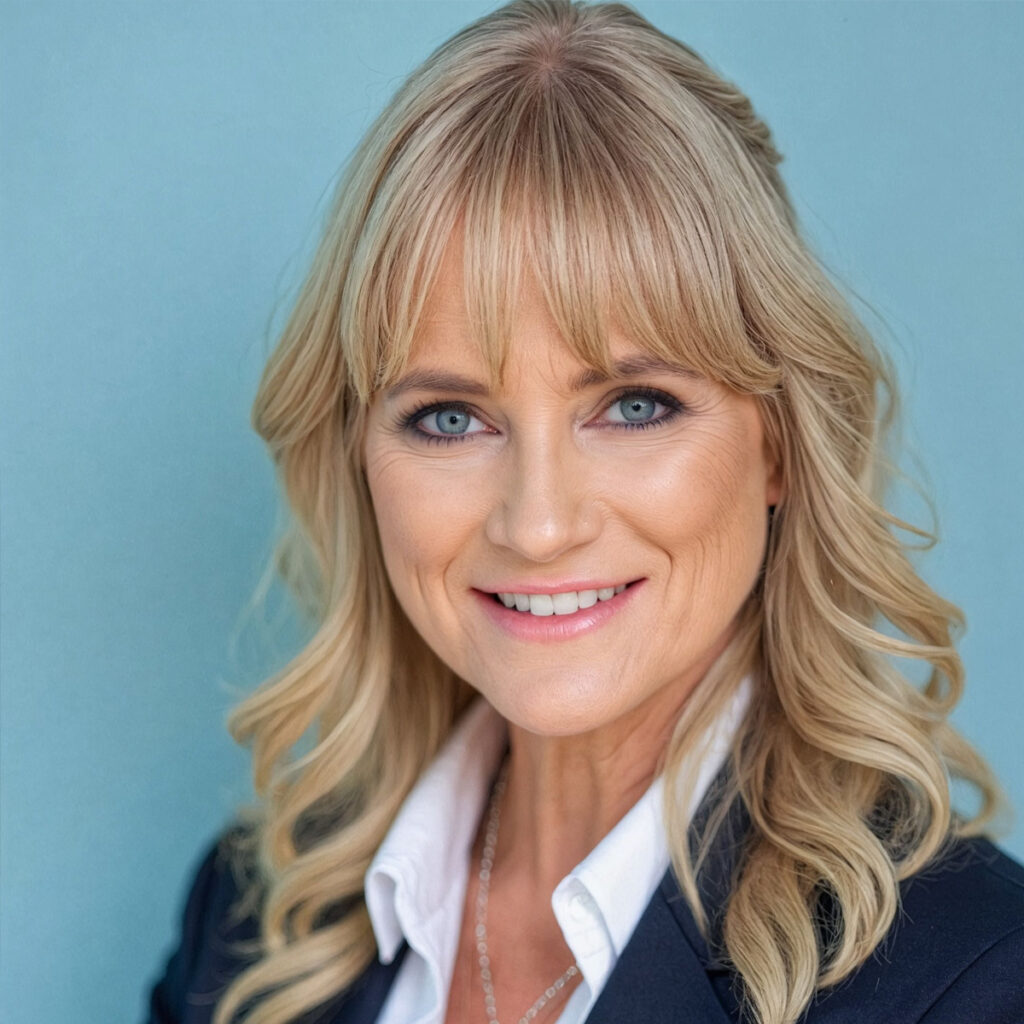
Erin G. Rank is the President & CEO of Habitat for Humanity of Greater Los Angeles, where she has transformed the organization through innovative leadership and a commitment to affordable housing. Under her guidance, Habitat LA has built over 1,700 homes and raised millions to support global efforts.
Erin has been instrumental in leading initiatives like “Hollywood for Habitat for Humanity,” expanding the organization’s reach through collaboration with industry leaders. She has served in senior roles with Habitat for Humanity International, shaping policies that impact affiliates worldwide.
Her work has earned recognition, including being named one of the “Top 100 Irish Americans”, Pepperdine University’s Alumni of the Year, and receiving the Nell and John Wooden Ethics in Leadership Award. Erin’s experience also includes hundreds of media interviews across major platforms, where she has shared insights on affordable housing and the importance of community-driven change.
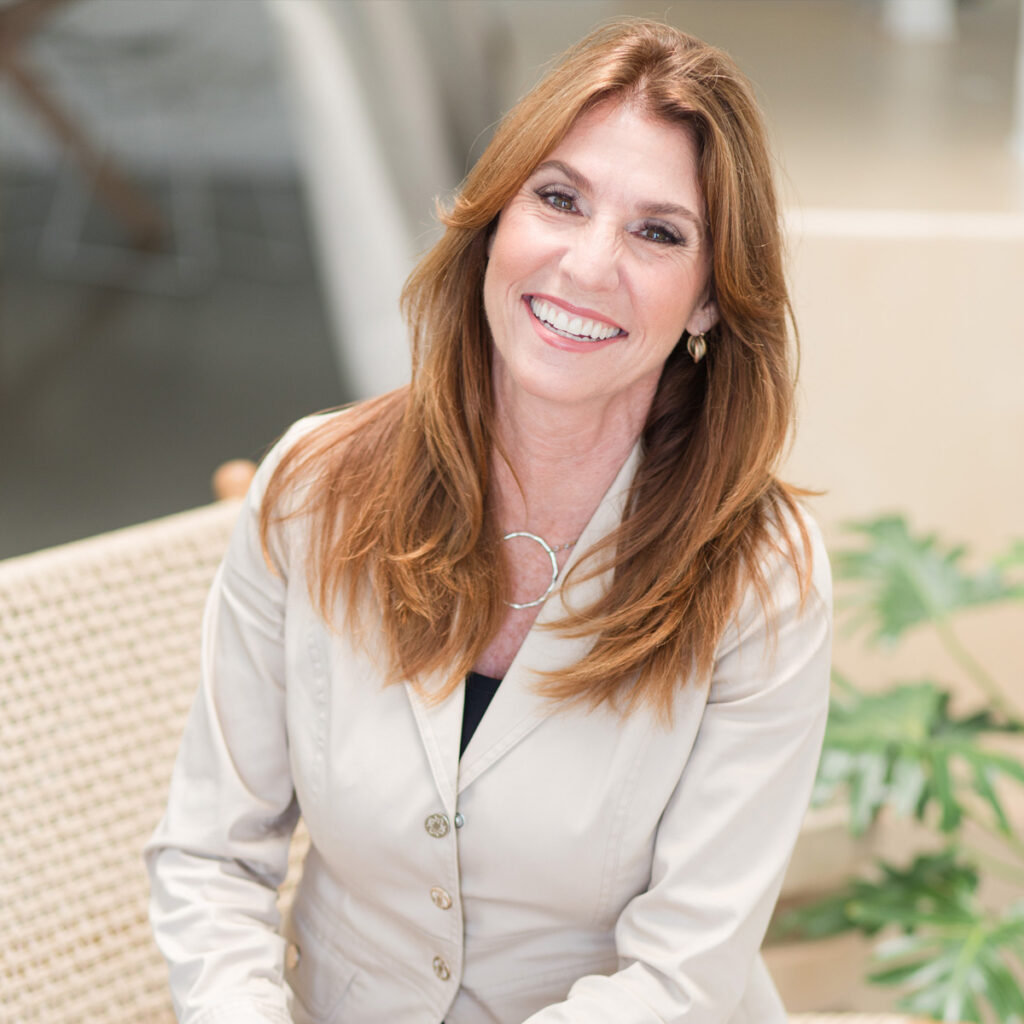
As CEO of J9 Leading Solutions, a leadership development consulting firm, Janine McClintock has worked with thousands of leaders to accelerate their leadership readiness. She trains and coaches managers and executives on leadership issues in the workplace.
She is the author of Stir it Up! Stay Relevant and creator of the Step Up and Lead digital program to fill a glaring gap for employees that want to develop leadership skills and stay relevant but do not have access to formal training or coaching.
She travels and speaks internationally and does in-person training and virtual workshops on leadership topics including change management, emotional intelligence, team effectiveness, employee engagement and mental wellness to large audiences and small groups.
Her academic credentials include a BA in Economics and BA in Communication from the University of California Santa Barbara and MA in Organizational Leadership from Chapman University.
You can reach Janine at Janine@j9leadingsolutions.com or find her on LinkedIn.
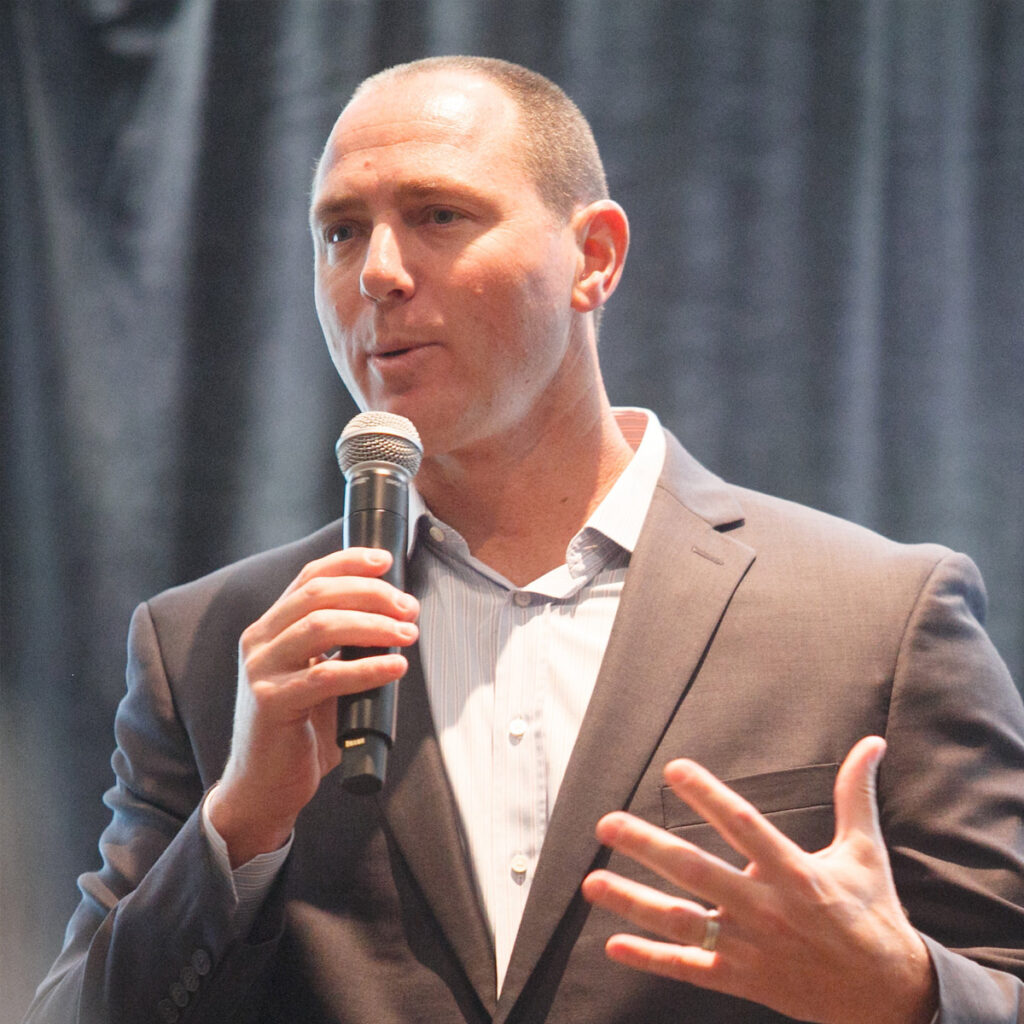
Jason Lezak is a 4-time Olympian and 8-time Olympic medalist, including 4 golds. He’s best known for anchoring the U.S. to a stunning come-from-behind victory in the 2008 4x100m freestyle relay—voted by Sports Illustrated as the most memorable American performance of the Beijing Games. At 32 years old, when many had written him off, Jason delivered a historic swim that still stands as the world record today—now the oldest world record in swimming.
A former World and U.S. National Champion, 2-time Olympic Team Captain, and member of the International Swimming Hall of Fame, Jason is known for rising to the occasion when it matters most. He was respected for his leadership, consistency, and ability to deliver under pressure, becoming a role model for teammates and fans alike.
A UC Santa Barbara graduate in Business/Economics, Jason now inspires audiences with his message of perseverance, peak performance, and the power of teamwork. Drawing from his Olympic experiences, he motivates individuals and teams to overcome adversity, push limits, and achieve excellence. Whether he’s speaking to athletes, executives, or students, Jason’s authenticity, humility, and competitive spirit make his story both relatable and unforgettable.
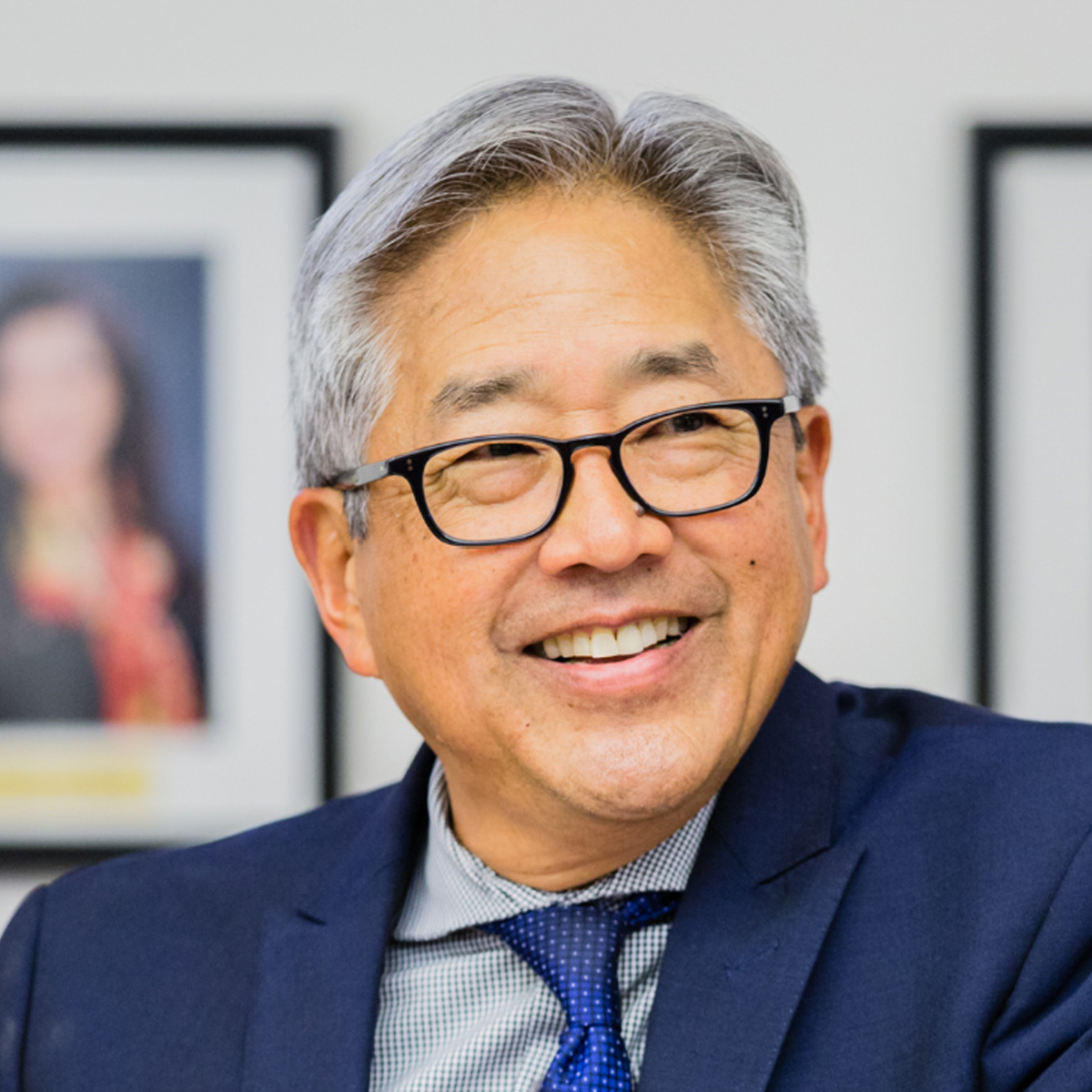
John is a social entrepreneur, a provocateur and a facilitator of change.
His formal education includes several degrees and post-graduate work, but his real development as a human being emerged from his professional and volunteer work. He survived three start-ups spanning three decades. John worked in what he calls the “for-purpose” field, interrupted by for-profit and public-sector jobs. His asymmetrical career taught him the great lessons of reflection, self-regulation, and re-generation that he shares with others.
He founded Random Acts of Progress, to coach organizations and individuals to align their work to their passions to build a more equitable and compassionate world.
He is a prolific writer with more than 1000 blog posts. His popular Your Weekly Ass Kicker, and his new book Quest: 121 questions of liberation from the prison of self-domestication help leaders reflect on their self-development and moral alignment.
He is happily married with three amazing children and a grandson.
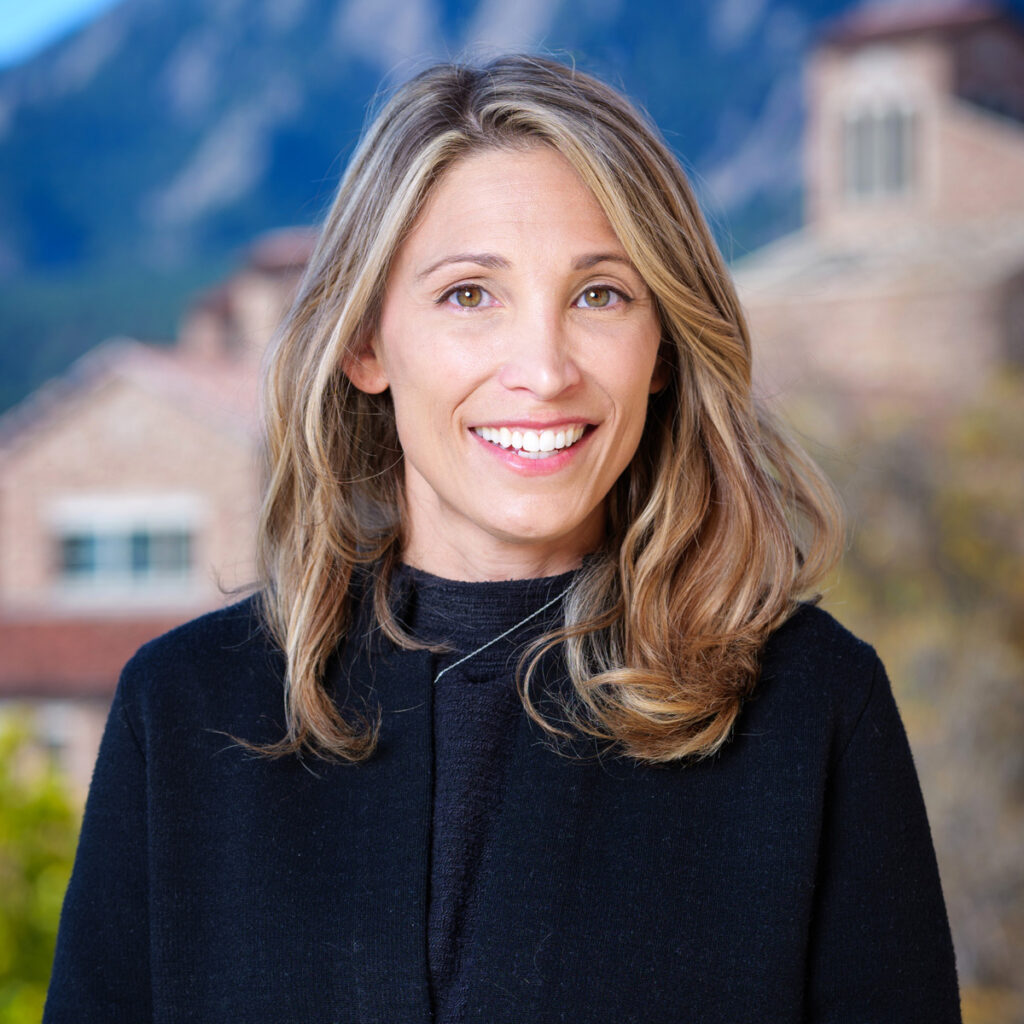
Dr. Stefanie K. Johnson is a researcher focused on the intersection of leadership and diversity and works with the best companies to implement evidence-based practices to reduce unconscious bias and increase inclusion. She has lent her expertise and thought leadership to organizations like The World Economic Forum, NASA, the NFL, and The Conference Board. She is a member of the MG 100 Coaches, was recognized by Thinkers50 in 2020 and 2021, and is the author of the National Bestseller, Inclusify: The power of uniqueness and belonging to build innovative teams. She publishes her work in the top journals and has received over $4,000,000 in external funding. She has presented her work at over 170 meetings around the world including at the White House for a 2016 summit on diversity in corporate America. Media outlets featuring Stefanie’s work include: The Economist, Newsweek, Time, Wall Street Journal, Bloomberg, HuffPost, Marie Claire, Washington Post, Quartz, Discover, CNN, ABC, NBC, CNBC. She has appeared on Fox, ABC, NBC, CNN, and CNN International.
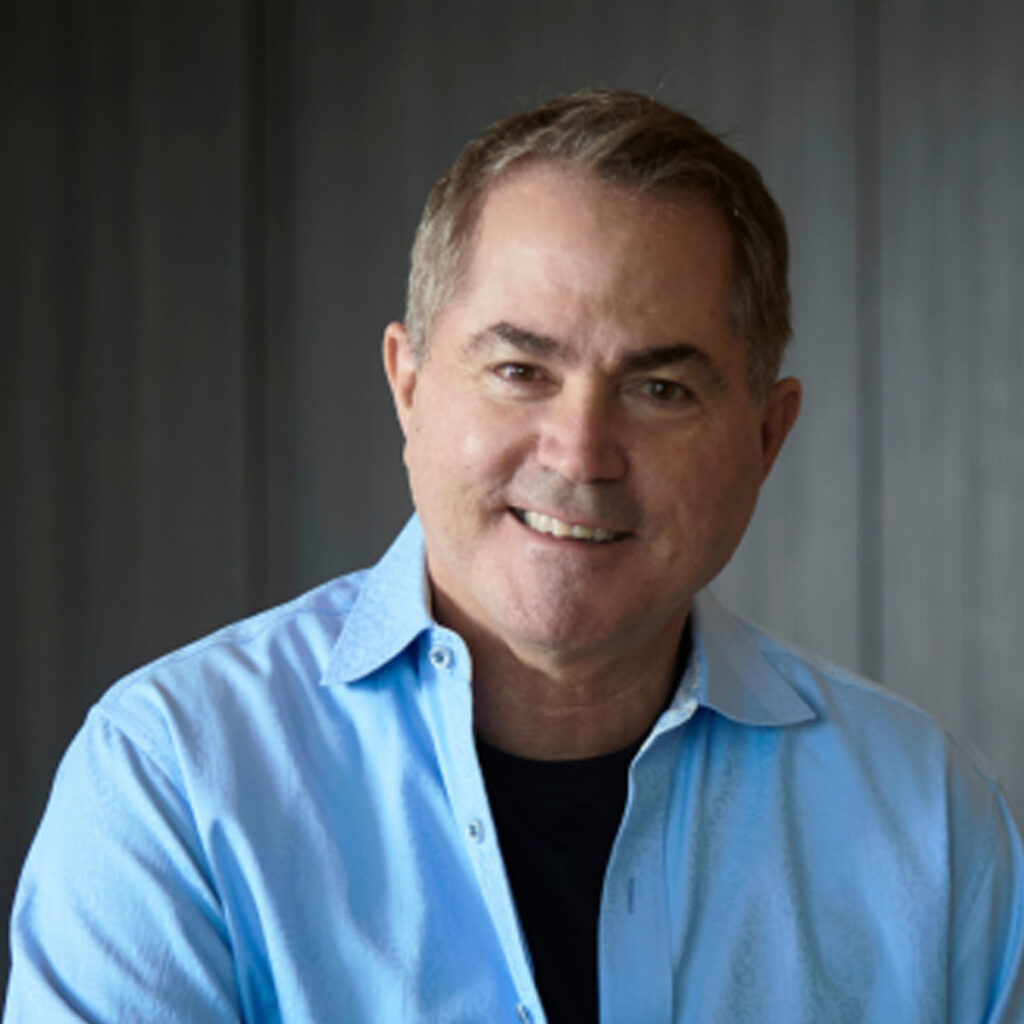
Len Jessup is a visionary leader in higher education, accomplished entrepreneur, and startup investor with a distinguished career spanning academia and business. A two-time university president and business school dean, Jessup has dedicated his life to fostering innovation, leadership, and economic growth.
Born into a family of Italian immigrant entrepreneurs, Jessup inherited a passion for business that shaped his career. He earned a doctorate in Management and Organizational Behavior from the University of Arizona, with a minor in Management Information Systems, along with an MBA and a bachelor’s degree in Information and Communication Studies from California State University, Chico. As the first in his family to graduate from college, he is deeply committed to creating opportunities for others through education and economic development.
Jessup’s career highlights include serving as president of Claremont Graduate University, where he led a member institution of the prestigious Claremont College consortium, and as president of the University of Nevada, Las Vegas (UNLV), where he championed public-private partnerships and spearheaded initiatives to elevate UNLV to a Carnegie R1 research institution. Under his leadership, UNLV expanded its tech transfer and commercialization capabilities, including dedicating the Harry Reid Research and Technology Park and constructing the building that now houses Black Fire Innovation and all its related startup activities.
Earlier in his career, Jessup served as dean of the business schools at the University of Arizona and Washington State University, where he built nationally ranked programs and supported groundbreaking initiatives like large-scale business plan competitions and innovative technology transfer models. His expertise in leadership, innovation, entrepreneurship, and organizational change has been recognized with numerous awards, including the prestigious CEO Award from the Council for Advancement and Support of Education (CASE) District VII.
After retiring as president of Claremont Graduate University, Jessup returned to Las Vegas, where he serves as a Fellow at the Lincy Institute at UNLV, focusing on building the region’s startup ecosystem. He is also the managing partner of Desert Forge Ventures, which will launch in early 2025 to drive innovation in sectors such as AI, health care, clean tech, and biotech.
Jessup’s lifelong dedication to fostering economic development and education is rooted in his entrepreneurial heritage. His work continues to transform communities and inspire others to pursue their dreams, just as his Italian immigrant parents and grandparents once did.
His latest book, Self Less, published by Forbes, is an Amazon Best Seller, reflecting his philosophy of leadership grounded in service, vision, and impact.
Best-Selling Author
Self Less: Lessons Learned from a Life Devoted to Servant Leadership, in Five Acts is a compelling memoir that blends personal stories with insights from leadership pioneers, showcasing the transformative power of selfless leadership.
Accomplished Leader
Len Jessup is a visionary leader with a distinguished career in higher education and business, recognized for his innovative approach to leadership, inclusivity, and organizational transformation.
Engaging Speaker
Len Jessup is an sought-after speaker known for captivating audiences with his compelling storytelling, deep insights on leadership and innovation, and ability to inspire action and transformation.

Tianna Haradon brings over 14 years of experience in the non-profit fundraising sector and a lifelong passion for the arts to her role as Chief Development Officer at The Wooden Floor. A proud alumna of Chapman University, she holds a BFA in Dance Performance and previously taught dance at both Los Alamitos High School and her alma mater.
Tianna began her development career at Chapman University, where she played an integral role in raising scholarship funds and managing high-impact fundraising events such as Chapman Celebrates (formerly American Celebration), the Economic Forecast and Update, and the Chapman University Toyota of Orange 5K Run/Walk. Her work encompassed nearly every aspect of event strategy and donor engagement, helping to advance the university’s mission through philanthropy.
At The Wooden Floor, Tianna serves in a vital frontline fundraising position, leading efforts to secure support for the organization’s transformative year-round programs that empower low-income youth through dance, academics, and family services. During her eight years with the organization, she has helped to grow their annual fund, general operating support, and endowment fund substantially. As part of The Wooden Floor’s ambitious four-year Comprehensive Campaign Lift, she played a key role in donor cultivation, strategic planning for the Kick-Off Gala, and contributed significantly toward the organization’s $20 million campaign goal. In 2023 she helped launch Step Forward, The Wooden Floor’s new endowment campaign designed to increase merit-based scholarship funds for students.
Tianna is also deeply engaged in the broader fundraising community. She serves on the board of the Orange County Chapter of the Association of Fundraising Professionals (AFP) and leads the chapter’s Membership Committee. A Certified Fund Raising Executive (CFRE), she is committed to advancing ethical and effective fundraising practices while championing equity and access in the arts and education.
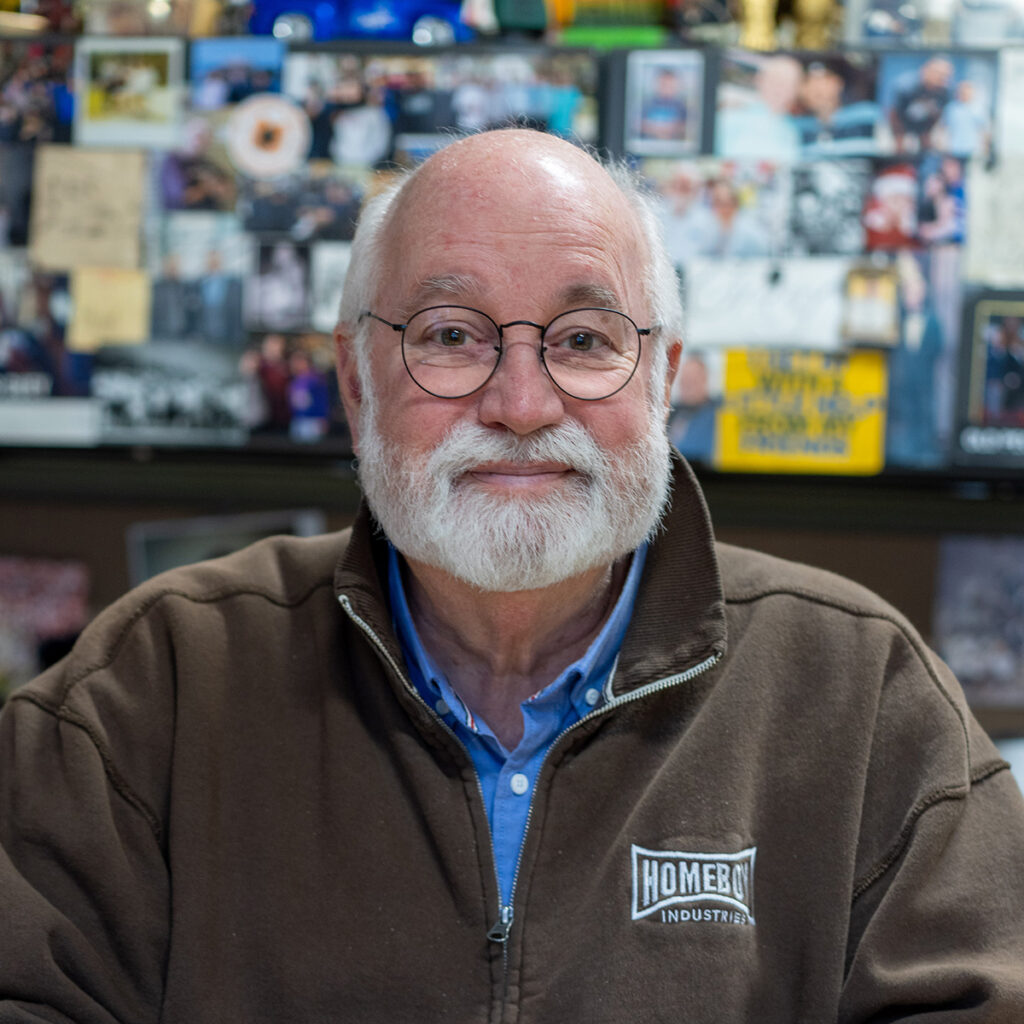
Father Gregory Boyle a Jesuit priest is the founder of Homeboy Industries in Los Angeles, the largest gang-intervention, rehabilitation, and re-entry program in the world.
Born and raised in Los Angeles and Jesuit priest, from 1986 to 1992 Fr. Boyle served as pastor of Dolores Mission Church in Boyle Heights. Dolores Mission was the poorest Catholic parish in Los Angeles that also had the highest concentration of gang activity in the city.
Fr. Boyle witnessed the devastating impact of gang violence on his community during the so-called “decade of death” that began in the late 1980s and peaked at 1,000 gang-related killings in 1992. In the face of law enforcement tactics and criminal justice policies of suppression and mass incarceration as the means to end gang violence, he and parish and community members adopted what was a radical approach at the time: treat gang members as human beings.
In 1988 they started what would eventually become Homeboy Industries, which employs and trains former gang members in a range of social enterprises, as well as provides critical services to thousands of individuals who walk through its doors every year seeking a better life.
Fr. Boyle is the author of the 2010 New York Times-bestseller Tattoos on the Heart: The Power of Boundless Compassion. Followed by Barking to the Choir: The Power of Radical Kinship (2017) and The Whole Language: The Power of Extravagant Tenderness (2021). His most recent work is Cherished Belonging: The Healing Power of Love in Divided Times (2024).
He has received the California Peace Prize and has been inducted into the California Hall of Fame. In 2014, President Obama named Fr. Boyle a Champion of Change. He received the University of Notre Dame’s 2017 Laetare Medal, the oldest honor given to American Catholics. Homeboy Industries was the recipient of the 2020 Hilton Humanitarian Prize validating 32 years of Fr. Greg Boyle’s vision and work by the organization for over three decades. Most recently he was one of the recipients of the 2024 The Presidential Medal of Freedom, the United States’ highest civilian honor.
