
What really happens when you become a nonprofit CEO for the first time?
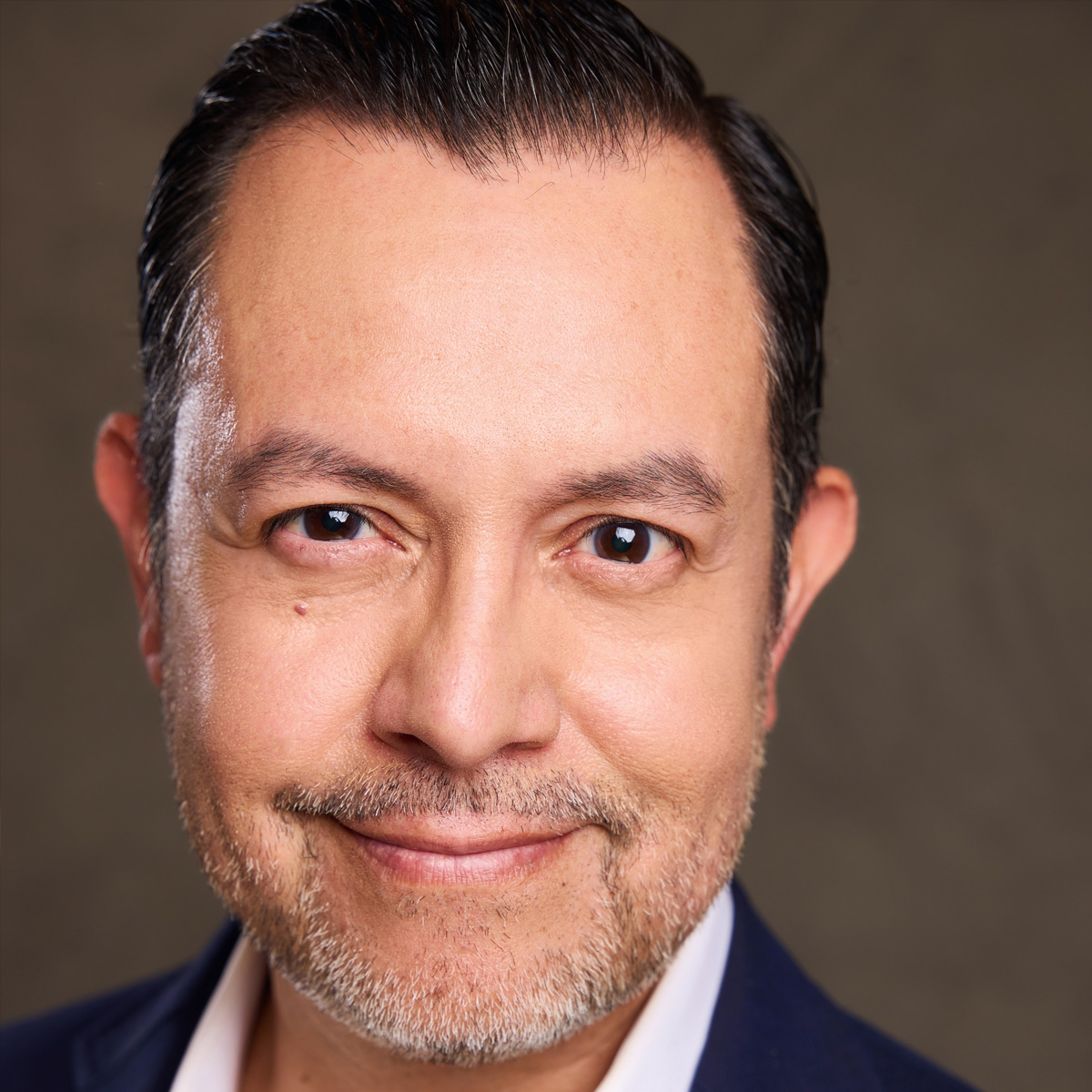
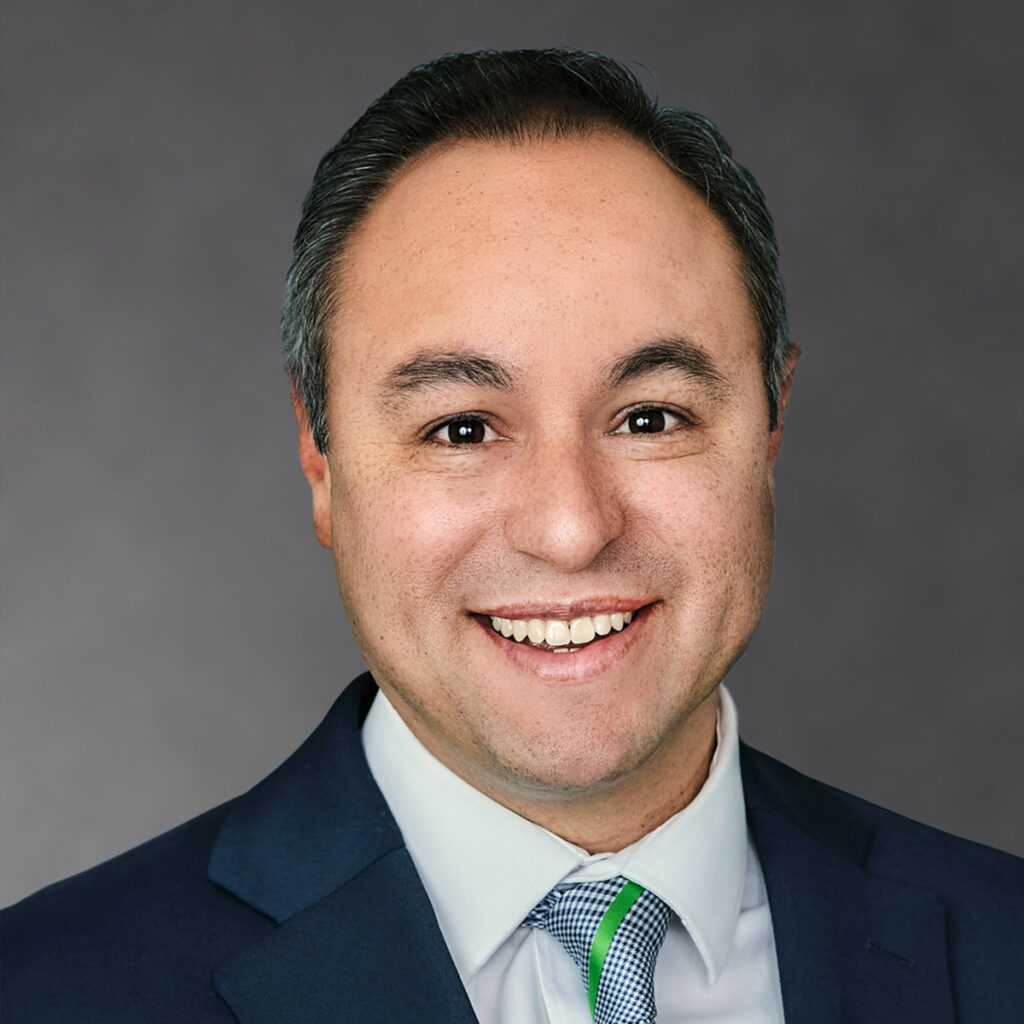
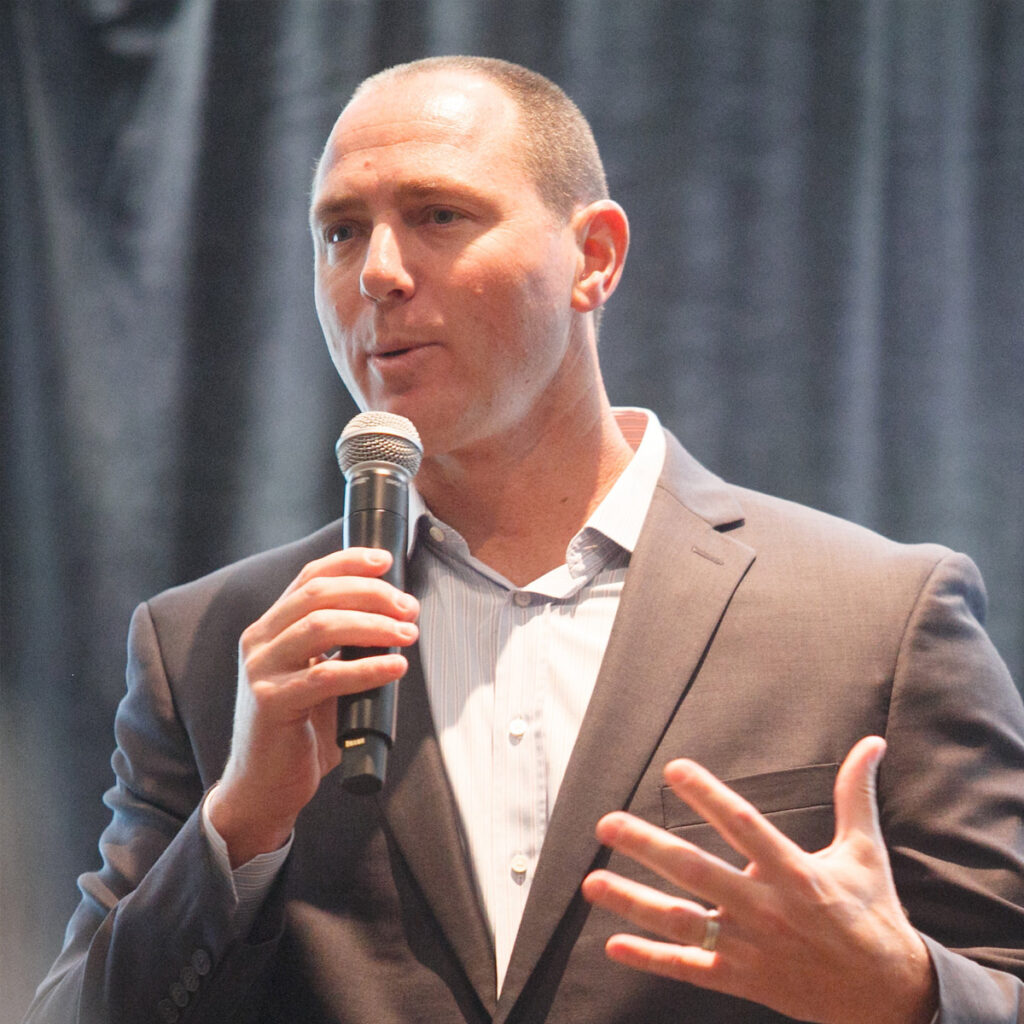
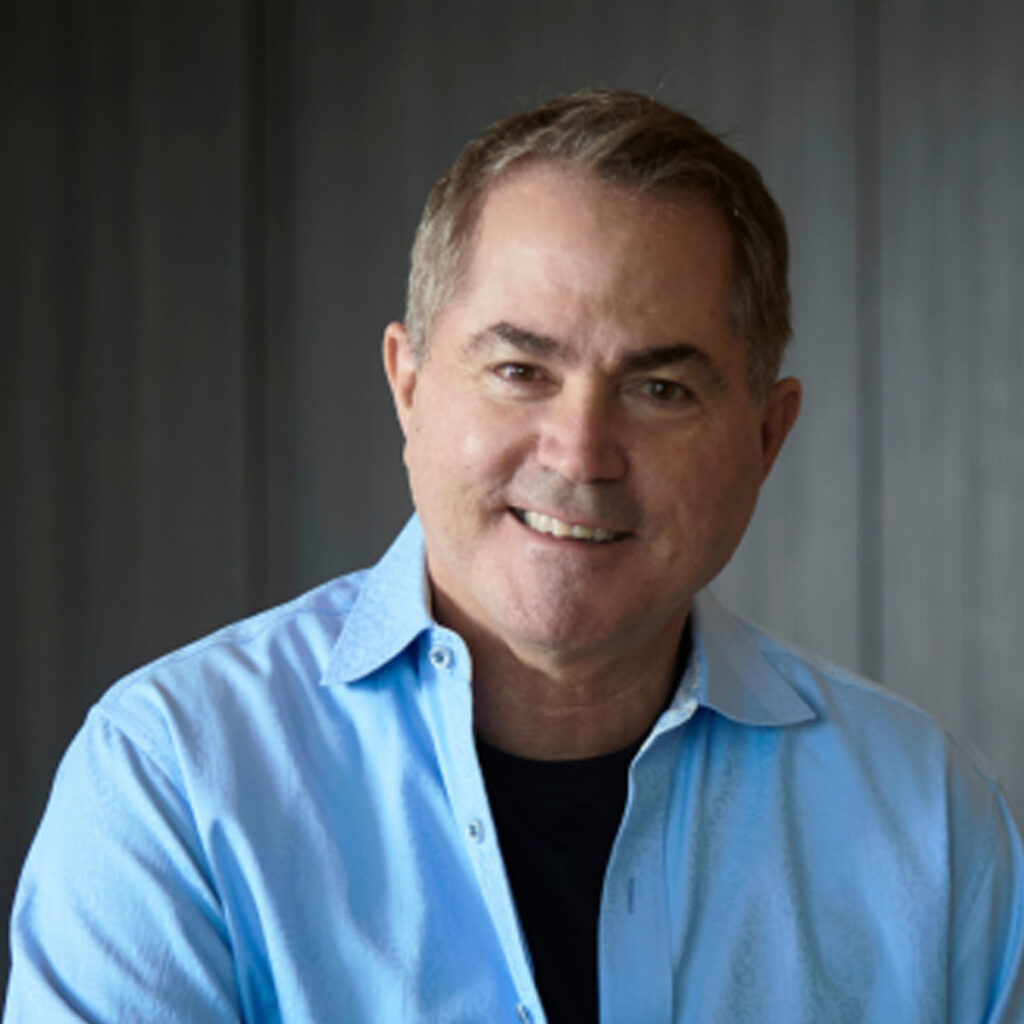
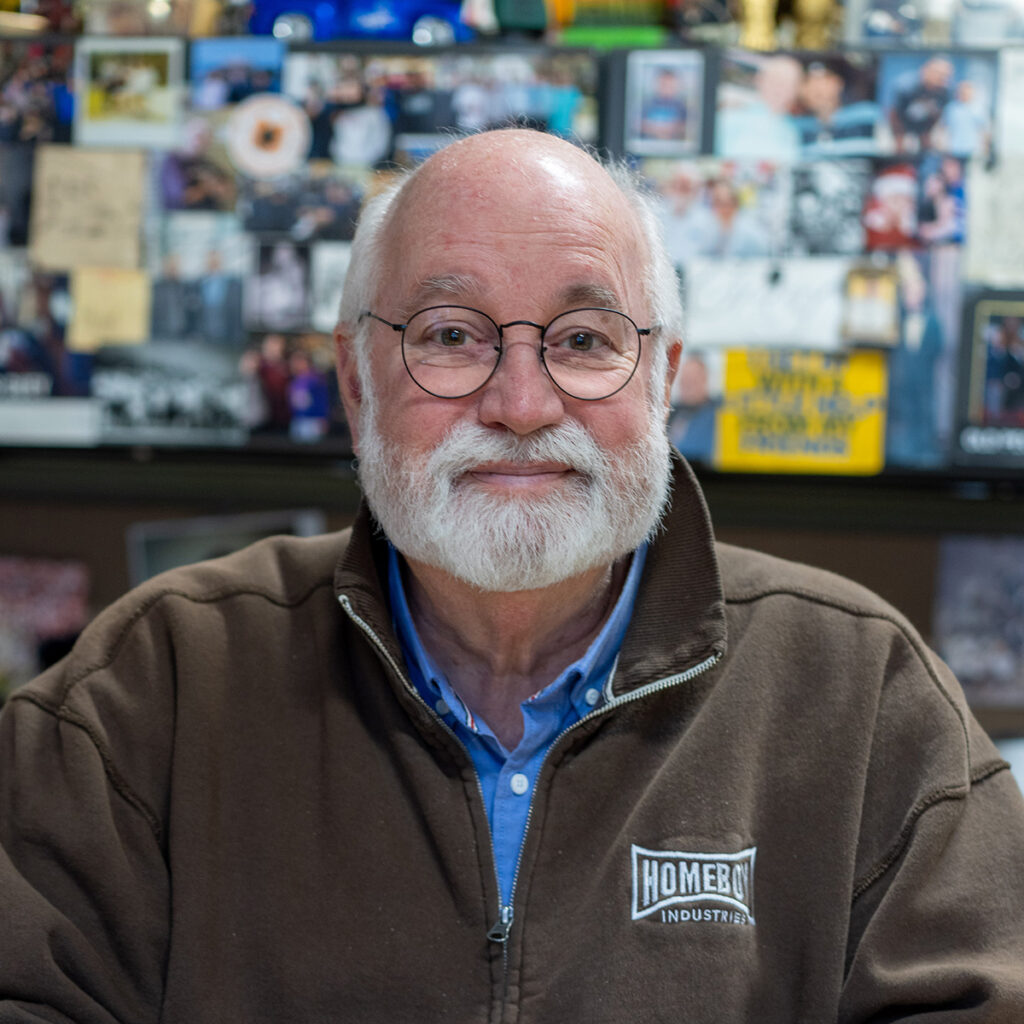
In this episode of Lead for Good, Chris Looney sits down with Fulcrum Nonprofit Leadership (Fulcrum) member David Nungaray, President and CEO of the California Council on Economic Education, for a candid conversation about David’s first 100 days in the CEO seat.
David stepped into the role ready to hit the ground running. He launched a 100-day fundraising initiative, conducted listening tours with staff and every board member, got closer to the organization’s programs, met with donors and partners, and began navigating the difficult balance between listening and leading.
Along the way, he discovered that being CEO also means being what he calls the Chief Relationship Officer.
Chris and David explore:
• What changes when you become the person ultimately responsible for the organization
• Why the first 100 days offer a unique window to listen and learn
• How to determine the right rate of change when entering a new organization
• Why relationships are foundational to fundraising, leadership, and impact
• The importance of developing a trusted “personal board of directors” around you
• Why aspiring CEOs should understand finance, strategy, fundraising, and nonprofit governance
• The three areas every new CEO needs to understand quickly: people, finances, and the board
• Why new leaders need to listen broadly while still learning to trust their instincts
• The importance of protecting your own health and well-being if you want to lead for the long term
David also offers practical advice for aspiring CEOs and anyone preparing to enter the role for the first time.
Perhaps the biggest lesson from his first 100 days is this: You may be the person at the top of the organizational chart, but you were never meant to lead alone.
Watch or listen to this episode of Lead for Good for an honest look at the transition from aspiring CEO to actually sitting in the seat.
Lead for Good is a production of Fulcrum Nonprofit Leadership, dedicated to helping nonprofit leaders grow their knowledge and capabilities and reach their full potential as leaders.
Check out the full episode on YouTube with this link: youtu.be/f2iX1rsHgmc

365 Nonprofit Board Leadership Insights – #14 of 365
“The board’s responsibility is not to preserve the organization. It is to preserve the mission.”
This distinction may be one of the most important in nonprofit governance.
Organizations are structures. Missions are purposes.
Structures can change. Programs can evolve. Strategies can be replaced. Business models can be reinvented. Partnerships can be formed. Organizations can merge. Sometimes, even long-standing ways of doing things need to disappear entirely.
The mission is what must endure.
Boards can understandably become attached to the organization as it exists today. There may be programs that have operated for decades, traditions that people cherish, facilities that carry history, or ways of working that once produced extraordinary results.
But stewardship is not preservation for preservation's sake.
A board's responsibility is to continually ask whether the organization, in its current form, remains the best vehicle for advancing its mission.
That can require courage.
It may mean ending a beloved program that no longer produces meaningful impact. It may mean investing in something unfamiliar. It may mean changing the organization's structure, embracing a new strategy, serving people differently, or reallocating resources away from yesterday's priorities toward tomorrow's opportunities.
The question should never simply be:
“How do we protect what we have?”
The better question is:
“What must this organization become to serve its mission most effectively?”
Great boards honor an organization's history without becoming captive to it. They recognize that the greatest tribute to those who built the organization is not necessarily preserving what they created, but ensuring the mission they cared about continues to thrive.
Preserve the purpose. Be willing to change everything else.
I'm excited to continue sharing 365 Nonprofit Board Leadership Insights, my newest project designed to help nonprofit board members become stronger leaders and more effective stewards of the organizations they serve.
If you find these insights valuable, please like this post, follow me, and follow Fulcrum Nonprofit Leadership so you don't miss future installments. And if you know someone who serves on a nonprofit board, I'd be grateful if you shared this series with them. Together, we can help build stronger boards, stronger organizations, and greater community impact.
Exceptional nonprofit leaders understand that leadership has two equally important dimensions: the visible qualities that inspire confidence and the unseen disciplines that quietly turn vision into lasting impact.
We tend to celebrate the visible side of leadership.
The inspiring speech.
The compelling vision.
The successful campaign.
The major partnership.
The courageous decision.
But much of exceptional leadership happens where few people ever see it.
It's the preparation before the meeting. The careful review of the financials. The difficult conversation that can't be avoided. The follow-up after everyone else has moved on. The systems, habits, and disciplines that keep an organization moving forward.
Vision matters. So does execution.
Inspiration matters. So does accountability.
Presence matters. So does preparation.
Great leadership is not simply what people see. It is also everything a leader does when no one is watching.
The visible qualities may inspire people to follow.
The unseen disciplines ensure the organization actually gets somewhere.
This post is part of Fulcrum Nonprofit Leadership's 365 Nonprofit Leadership Lessons series, sharing one practical leadership insight each day to help nonprofit executives strengthen their organizations, elevate their leadership, and maximize their missions.
If this leadership lesson resonated with you, please like this post, follow Fulcrum Nonprofit Leadership for more daily leadership insights, and share it with a leader who understands that lasting impact is built both in the spotlight and behind the scenes.
365 Nonprofit Board Leadership Insights – #13 of 365
“Good governance creates great organizations.”
Great organizations are rarely built by staff leadership alone.
Behind nearly every strong, sustainable nonprofit is a board that understands its role and takes that responsibility seriously.
Good governance creates the conditions in which an organization can thrive.
It keeps the mission at the center.
It ensures the right people are leading.
It provides clarity around strategy.
It creates accountability without slipping into management.
It protects financial and organizational sustainability.
And ultimately, it positions the organization to create greater impact.
Governance may not always be the most visible work happening within a nonprofit. Board members aren't delivering programs every day, managing staff, meeting with clients, or performing the countless tasks required to keep an organization moving.
But their decisions shape the environment in which all of that work happens.
A strong board gives a great CEO room to lead while holding that leader accountable. It asks difficult questions before difficult circumstances require them. It looks beyond today's challenges toward tomorrow's opportunities. And it makes decisions based on what will best serve the mission over the long term.
Conversely, weak governance eventually finds its way into nearly every corner of an organization. Unclear strategy, financial instability, leadership challenges, mission drift, and organizational dysfunction can often be traced, at least in part, to what happened or failed to happen in the boardroom.
Great organizations don't happen by accident. Neither does good governance.
That's why building a stronger nonprofit must include building a stronger board.
I'm excited to continue sharing 365 Nonprofit Board Leadership Insights, my newest project designed to help nonprofit board members become stronger leaders and more effective stewards of the organizations they serve.
If you find these insights valuable, please like this post, follow me, and follow Fulcrum Nonprofit Leadership so you don't miss future installments. And if you know someone who serves on a nonprofit board, I'd be grateful if you shared this series with them. Together, we can help build stronger boards, stronger organizations, and greater community impact.
Nonprofit leaders may never live like royalty, but they can enjoy the sleep of the just, knowing their lives and leadership have been spent in service to others.
There are easier ways to make a living.
There are careers that offer greater financial rewards, fewer late nights, less pressure, and considerably less responsibility for solving some of society's most difficult challenges.
And yet, nonprofit leaders choose this work.
They choose to serve.
They choose to lead organizations that strengthen communities, create opportunity, relieve suffering, advance causes, and make life better for others.
The rewards aren't always found in the paycheck.
Sometimes the greatest reward comes at the end of a long day, when the meetings are finished, the emails finally stop, and you can reflect on what your work made possible.
A family helped.
A student given an opportunity.
A community strengthened.
A life changed.
There is something profoundly fulfilling about knowing that your leadership has been devoted to something greater than yourself.
Perhaps that is the real wealth of nonprofit leadership.
The sleep of the just.
This post is part of Fulcrum Nonprofit Leadership's 365 Nonprofit Leadership Lessons series, sharing one practical leadership insight each day to help nonprofit executives strengthen their organizations, elevate their leadership, and maximize their missions.
If this leadership lesson resonated with you, please like this post, follow Fulcrum Nonprofit Leadership for more daily leadership insights, and share it with a nonprofit leader whose life of service deserves recognition.
365 Nonprofit Board Leadership Insights – #12 of 365
“The quality of a board meeting is determined long before anyone enters the room.”
Great board meetings don't happen by accident.
They are designed.
Too often, we evaluate a board meeting based on what happens during the meeting itself. Was there good discussion? Did we make decisions? Did we finish on time?
But much of what determines whether a board meeting will be valuable happens days or even weeks before anyone takes a seat at the table.
It starts with leadership asking the right questions:
What does the board actually need to discuss?
What decisions need to be made?
What information do board members need in advance to make those decisions well?
Where can the board's collective experience and judgment add the greatest value?
Then comes preparation on both sides.
The CEO and board chair need to build an agenda around priorities rather than reports. Staff need to provide concise, useful materials early enough for members to review them. Board members need to read those materials, understand the financials, consider the issues, and arrive prepared with thoughtful questions.
A board meeting should not be a two-hour information download.
Information can be shared before the meeting. The meeting itself is precious time that should be reserved for discussion, discernment, strategy, and decisions.
When preparation is poor, meetings become reactive and operational.
When preparation is intentional, meetings become strategic and consequential.
The best board meetings begin long before the meeting is called to order.
I'm excited to continue sharing 365 Nonprofit Board Leadership Insights, my newest project designed to help nonprofit board members become stronger leaders and more effective stewards of the organizations they serve.
If you find these insights valuable, please like this post, follow me, and follow Fulcrum Nonprofit Leadership so you don't miss future installments. And if you know someone who serves on a nonprofit board, I'd be grateful if you shared this series with them. Together, we can help build stronger boards, stronger organizations, and greater community impact.
Exceptional nonprofit leaders understand that a strong professional network is more than a collection of relationships. It is a powerful catalyst for ideas, opportunities, partnerships, and accelerated mission impact.
No nonprofit leader succeeds alone.
The right relationships expose us to new ideas, challenge our assumptions, connect us to expertise we don't possess, and introduce opportunities we might never discover on our own.
A strong network can lead to a new partnership.
A transformative hire.
An unexpected funder.
A trusted advisor.
Or simply the right conversation at exactly the right moment.
But the best networks aren't built by collecting contacts. They are built by investing genuinely in people, sharing knowledge, creating value for others, and developing relationships long before we need something from them.
For nonprofit leaders, networking isn't simply about advancing a career.
It's about expanding what is possible for the mission.
And sometimes, one meaningful relationship can change the trajectory of an entire organization.
This post is part of Fulcrum Nonprofit Leadership's 365 Nonprofit Leadership Lessons series, sharing one practical leadership insight each day to help nonprofit executives strengthen their organizations, elevate their leadership, and maximize their missions.
If this leadership lesson resonated with you, please like this post, follow Fulcrum Nonprofit Leadership for more daily leadership insights, and share it with someone in your network who has helped you become a better leader.
365 Nonprofit Board Leadership Insights – #11 of 365
"Governance is leadership exercised through stewardship."
Governance can sometimes sound procedural. Policies. Bylaws. Budgets. Committee reports. Motions and votes.
But at its best, governance is something much more important.
It is leadership.
Board members have been entrusted with an organization's mission, resources, reputation, people, and future. Their responsibility is not simply to oversee these assets. It is to steward them wisely so they are stronger tomorrow than they are today.
That means asking whether resources are being used effectively. It means protecting the integrity of the mission while remaining willing to adapt how that mission is pursued. It means supporting and holding the CEO accountable. It means thinking beyond today's challenges to the opportunities and responsibilities ahead.
Stewardship also changes the way we think about ownership.
Board members don't own the organizations they serve. They hold them in trust for others: the people being served today, the donors and volunteers who make the work possible, the communities that depend on the organization, and the generations who will inherit its mission tomorrow.
That is why good governance requires more than oversight.
It requires wisdom.
It requires courage.
It requires a willingness to make decisions based not on what is easiest today, but on what will best serve the mission for years to come.
Governance is what boards do. Stewardship is how great boards do it. And leadership is the result.
I'm excited to continue sharing 365 Nonprofit Board Leadership Insights, my newest project designed to help nonprofit board members become stronger leaders and more effective stewards of the organizations they serve.
If you find these insights valuable, please like this post, follow me, and follow Fulcrum Nonprofit Leadership so you don't miss future installments. And if you know someone who serves on a nonprofit board, I'd be grateful if you shared this series with them. Together, we can help build stronger boards, stronger organizations, and greater community impact.
Exceptional nonprofit leaders understand that financial reserves are not a luxury. They are a strategic lifeline that protects the mission, strengthens resilience, and provides the flexibility to navigate uncertainty.
Every nonprofit wants to put as many resources as possible toward advancing its mission.
But protecting the mission is part of advancing it.
Financial reserves give organizations something incredibly valuable: options.
They provide leaders with the ability to weather an unexpected revenue decline, respond to an emerging community need, retain talented staff during difficult periods, or make thoughtful decisions without the pressure of an immediate financial crisis.
Reserves are not resources sitting idle.
They are organizational resilience.
They are strategic flexibility.
They are breathing room when circumstances change.
Strong nonprofit leaders don't build reserves because they lack ambition. They build them because they understand that today's mission deserves to be protected for tomorrow.
Financial strength and mission impact are not competing priorities. Financial strength helps make sustained mission impact possible.
This post is part of Fulcrum Nonprofit Leadership's 365 Nonprofit Leadership Lessons series, sharing one practical leadership insight each day to help nonprofit executives strengthen their organizations, elevate their leadership, and maximize their missions.
If this leadership lesson resonated with you, please like this post, follow Fulcrum Nonprofit Leadership for more daily leadership insights, and share it with a nonprofit leader who understands that preparing for uncertainty is part of protecting the mission.
365 Nonprofit Board Leadership Insights – #10 of 365
"Every nonprofit deserves board members who prepare before the meeting begins."
One of the clearest signs of an engaged board member is simple:
They come prepared.
Preparation is more than reading the board packet. It means taking the time to understand the issues, review the financials, reflect on the strategic implications, and arrive ready to contribute thoughtfully to the discussion.
Board meetings should not be the first time members encounter the agenda.
When board members come unprepared, valuable meeting time is spent reviewing information rather than discussing it. Strategic conversations become operational updates. Good questions go unasked. Better decisions are delayed.
Preparation demonstrates respect.
It shows respect for fellow board members who invested time preparing. It shows respect for the CEO and staff who spent hours assembling the materials. Most importantly, it shows respect for the mission and the people the organization exists to serve.
Every board member has a unique perspective to contribute. But that perspective is most valuable when it is informed.
Great boards don't become strategic because they hold longer meetings.
They become strategic because their members arrive prepared, allowing the meeting to focus on discussion, discernment, and decisions that move the organization forward.
I'm excited to continue sharing 365 Nonprofit Board Leadership Insights, my newest project designed to help nonprofit board members become stronger leaders and more effective stewards of the organizations they serve.
If you find these insights valuable, please like this post, follow me, and follow Fulcrum Nonprofit Leadership so you don't miss future installments. And if you know someone who serves on a nonprofit board, I'd be grateful if you shared this series with them. Together, we can help build stronger boards, stronger organizations, and greater community impact.
Fulcrum Nonprofit Leadership (Fulcrum)
Exceptional nonprofit leaders never hesitate to stand tall, rising above challenges with courage, purpose, and unwavering integrity, inspiring others to do the same.
Leadership isn't about standing above others.
It's about standing firm when others need you most.
Every nonprofit leader will face moments of uncertainty, criticism, setbacks, and difficult decisions. Those moments don't define your leadership.
How you respond to them does.
The leaders who create lasting impact are those who remain grounded in their purpose, guided by their values, and unwavering in their integrity, even when the path forward is difficult.
People don't simply follow titles.
They follow conviction.
They follow character.
They follow leaders whose actions consistently reflect the mission they champion.
Stand tall, not because leadership is easy, but because your mission is worthy of your very best.
When you lead with courage and integrity, you give others permission to do the same.
This post is part of Fulcrum Nonprofit Leadership's 365 Nonprofit Leadership Lessons series, sharing one practical leadership insight each day to help nonprofit executives strengthen their organizations, elevate their leadership, and maximize their missions.
If this leadership lesson resonated with you, please like this post, follow Fulcrum Nonprofit Leadership for more daily leadership insights, and share it with a leader whose courage and integrity have inspired you. Together, we can strengthen the leadership that strengthens our communities.
365 Nonprofit Board Leadership Insights – #9 of 365
"A healthy board challenges ideas without challenging people."
The strongest boardrooms are not the ones with the least disagreement. They are the ones with the healthiest disagreement.
Board members have a responsibility to ask difficult questions, test assumptions, and examine alternative perspectives. Healthy debate leads to better decisions. But there is an important distinction between challenging an idea and challenging the person presenting it.
When discussions become personal, trust erodes. People become defensive, participation declines, and valuable perspectives go unheard. Eventually, board members begin protecting themselves instead of advancing the mission.
Healthy boards create an environment where every member feels respected, even when opinions differ. They assume positive intent, listen carefully, debate ideas vigorously, and treat one another with professionalism and grace.
The goal of governance is not to prove who is right. It is to discover what is right for the organization.
That requires a culture where board members can disagree without becoming disagreeable.
Respectful dialogue strengthens relationships. Honest debate strengthens decisions. Together, they strengthen the mission.
I'm excited to continue sharing 365 Nonprofit Board Leadership Insights, my newest project designed to help nonprofit board members become stronger leaders and more effective stewards of the organizations they serve.
If you find these insights valuable, please like this post, follow me, and follow Fulcrum Nonprofit Leadership so you don't miss future installments. And if you know someone who serves on a nonprofit board, I'd be grateful if you shared this series with them. Together, we can help build stronger boards, stronger organizations, and greater community impact.
Fulcrum Nonprofit Leadership (Fulcrum)