Len Jessup
Best Selling Author, Former UNLV and CGU President (Claremont Graduate University)
Black Mountain Ventures
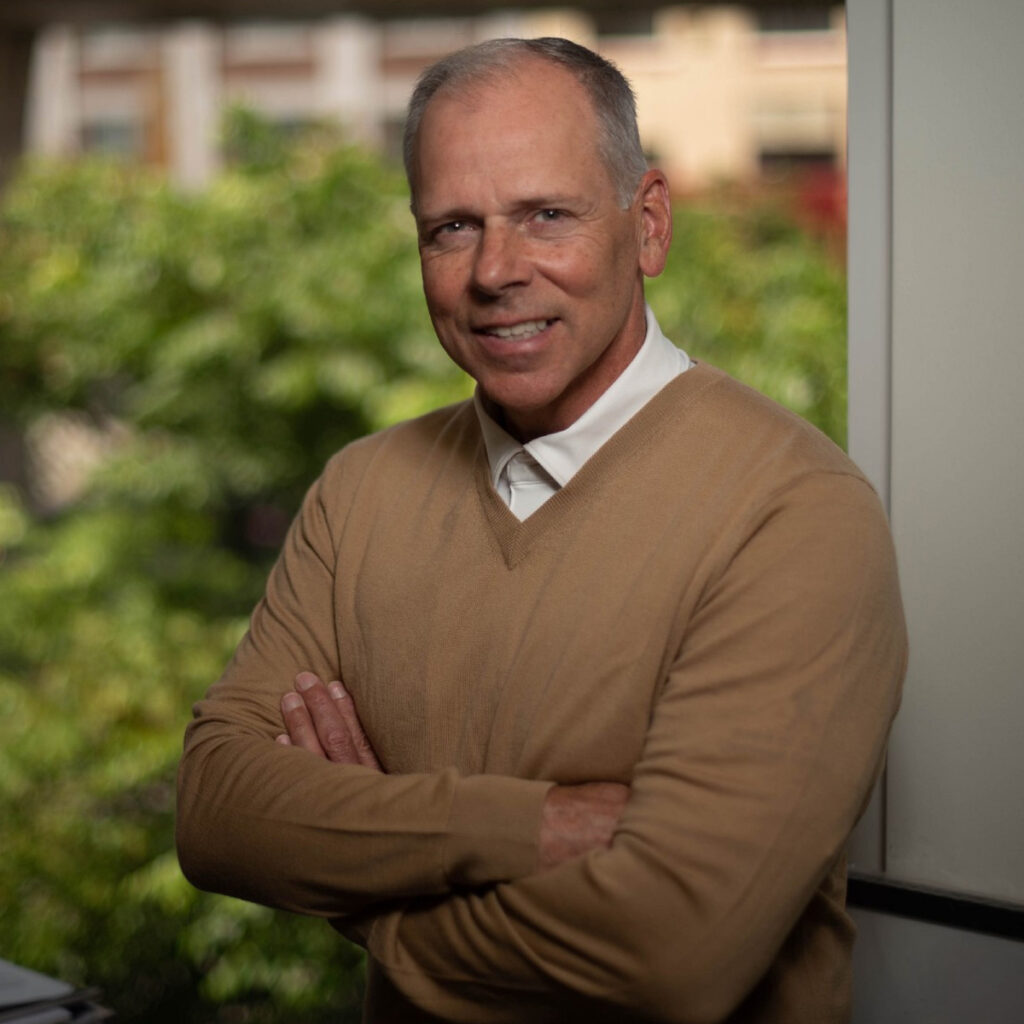
Len Jessup is a visionary leader in higher education, accomplished entrepreneur, and startup investor with a distinguished career spanning academia and business. A two-time university president and business school dean, Jessup has dedicated his life to fostering innovation, leadership, and economic growth.
Born into a family of Italian immigrant entrepreneurs, Jessup inherited a passion for business that shaped his career. He earned a doctorate in Management and Organizational Behavior from the University of Arizona, with a minor in Management Information Systems, along with an MBA and a bachelor’s degree in Information and Communication Studies from California State University, Chico. As the first in his family to graduate from college, he is deeply committed to creating opportunities for others through education and economic development.
Jessup’s career highlights include serving as president of Claremont Graduate University, where he led a member institution of the prestigious Claremont College consortium, and as president of the University of Nevada, Las Vegas (UNLV), where he championed public-private partnerships and spearheaded initiatives to elevate UNLV to a Carnegie R1 research institution. Under his leadership, UNLV expanded its tech transfer and commercialization capabilities, including dedicating the Harry Reid Research and Technology Park and constructing the building that now houses Black Fire Innovation and all its related startup activities.
Earlier in his career, Jessup served as dean of the business schools at the University of Arizona and Washington State University, where he built nationally ranked programs and supported groundbreaking initiatives like large-scale business plan competitions and innovative technology transfer models. His expertise in leadership, innovation, entrepreneurship, and organizational change has been recognized with numerous awards, including the prestigious CEO Award from the Council for Advancement and Support of Education (CASE) District VII.
After retiring as president of Claremont Graduate University, Jessup returned to Las Vegas, where he serves as a Fellow at the Lincy Institute at UNLV, focusing on building the region’s startup ecosystem. He is also the managing partner of Desert Forge Ventures, which will launch in early 2025 to drive innovation in sectors such as AI, health care, clean tech, and biotech.
Jessup’s lifelong dedication to fostering economic development and education is rooted in his entrepreneurial heritage. His work continues to transform communities and inspire others to pursue their dreams, just as his Italian immigrant parents and grandparents once did.
His latest book, Self Less, published by Forbes, is an Amazon Best Seller, reflecting his philosophy of leadership grounded in service, vision, and impact.
Best-Selling Author
Self Less: Lessons Learned from a Life Devoted to Servant Leadership, in Five Acts is a compelling memoir that blends personal stories with insights from leadership pioneers, showcasing the transformative power of selfless leadership.
Accomplished Leader
Len Jessup is a visionary leader with a distinguished career in higher education and business, recognized for his innovative approach to leadership, inclusivity, and organizational transformation.
Engaging Speaker
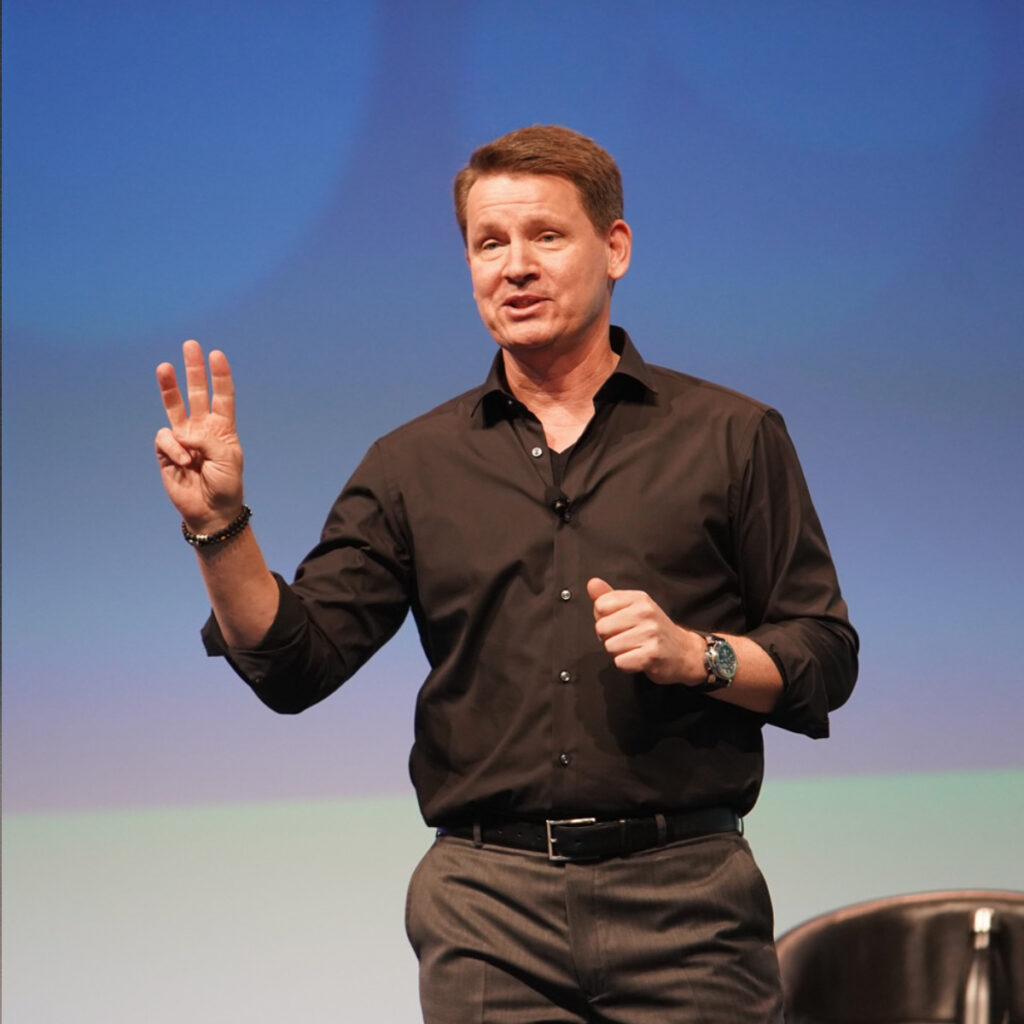
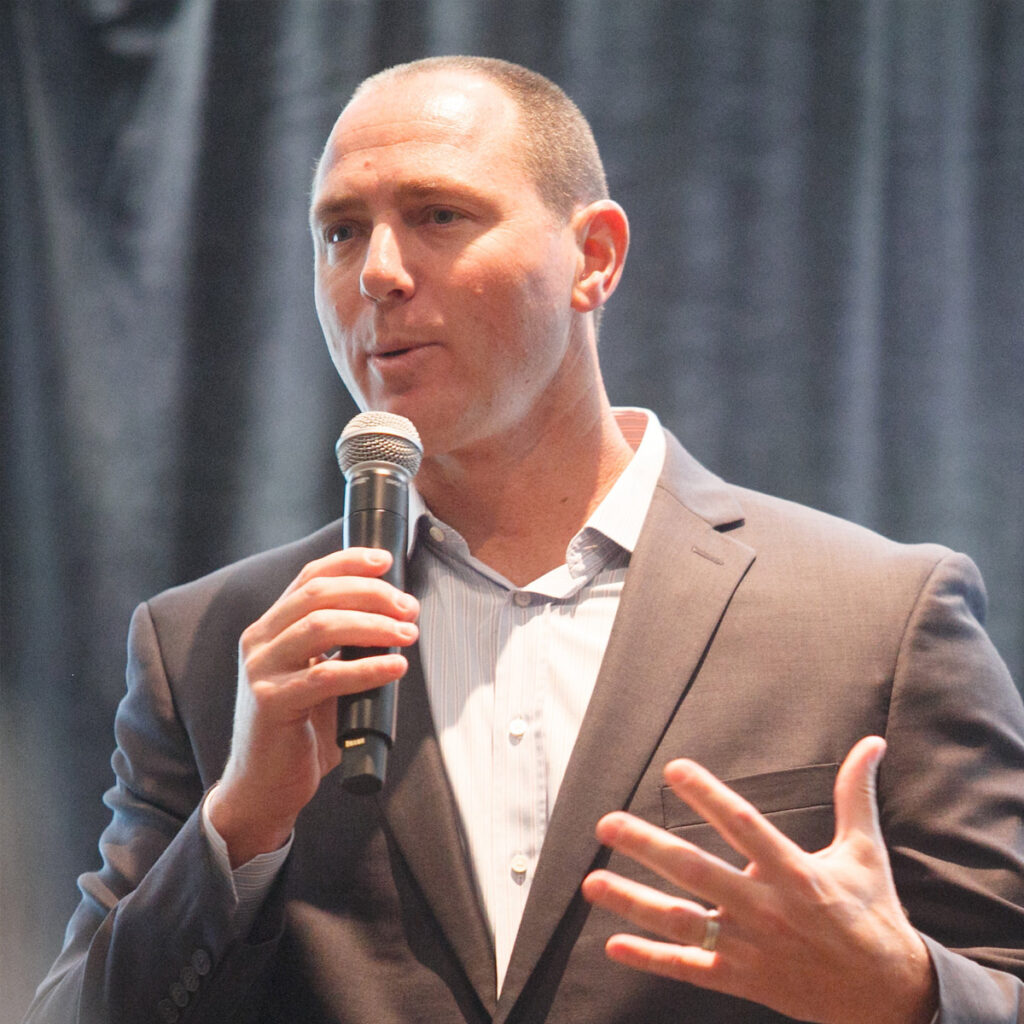
Len Jessup is an sought-after speaker known for captivating audiences with his compelling storytelling, deep insights on leadership and innovation, and ability to inspire action and transformation.