
Exceptional nonprofit leaders ensure their programs transcend barriers, remaining culturally responsive and universally accessible to every community member.
#leadforgood #LeadForward #FutureReady #fulcrumleader #NPL #futuristceo #futuristleader

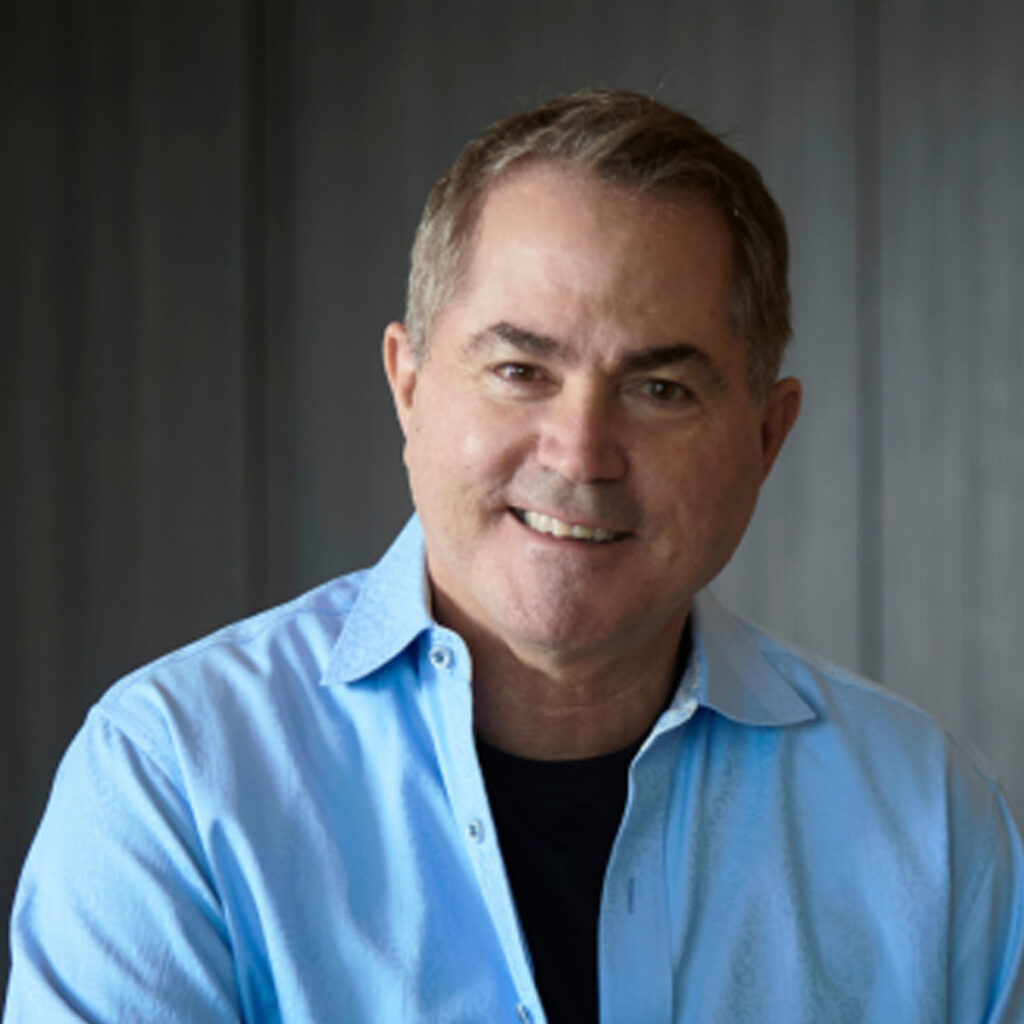
Not every leader is built for the same kind of leadership. Jeffrey R. Wilcox, CFRE, CEO of Third Sector Company | Interim Executives Academy, shared a powerful insight about leadership that deserves more attention. Some leaders are meant to guide organizations over the long term. They build culture, nurture relationships, and steadily move the mission forward over many years. But other leaders thrive in very different environments. Jeffrey describes them as “emergency room leaders.” These are the leaders who step into complex situations, stabilize organizations during moments of disruption, and help create the conditions for the next phase of leadership to succeed. Both roles are essential. Both require skill, experience, and emotional intelligence. The key insight Jeffrey shared is that leaders must take the time to understand what kind of leader they are. Because when the right leader is placed in the right context, organizations can move through even the most difficult transitions with clarity and confidence.
You can also watch the full episode of The Nonprofit Edge featuring Jeffrey Wilcox on YouTube or Substack.
Check out the episode on YouTube here: youtu.be/vVDXepGMXvw?si=AMVgCngjPqjDceMF
#NonprofitLeadership #LeadershipTransitions #InterimLeadership #NonprofitEdge #LeadershipDevelopment
More resources mean more impact—it's that direct. Effective nonprofit leaders prioritize revenue generation because every dollar unlocks mission potential.
#LeadforGood #LeadForward #FutureReady #FulcrumLeader #NPL #FuturistCEO #FuturistLeader
One of the memorable moments from The Nonprofit Edge Podcast episode with Jeffrey R. Wilcox, CFRE, CEO of Third Sector Company | Interim Executives Academy, was his explanation of what interim leaders are not. They are not substitute teachers. They are not simply keeping the lights on.
They are not feeding the dog, bringing in the newspaper, and watering the plants until the “real leader” arrives. Instead, as Jeffrey explains, interim leadership is a purposeful intervention.
A well-placed interim leader gives an organization something incredibly valuable during a leadership transition: pause. A pause to understand the organization’s current reality. A pause to align around its future direction. A pause to ensure the next leader is set up for success. At their best, interim leaders act as bridge builders, helping organizations move thoughtfully from their past to their future.
It’s a powerful reminder that leadership transitions don’t have to be rushed. Sometimes the most strategic step an organization can take is to slow down long enough to get the next step right.
Check out the full episode on Substack or YouTube.
Substack: open.substack.com/pub/fulcrumleader/p/the-nonprofit-edge-a-conversation-b9d?r=6tud4q&utm_campaign…
YouTube: youtu.be/vVDXepGMXvw?si=heqCU_Z20dKFIWIm
#NonprofitLeadership #LeadershipTransitions #NonprofitEdge #InterimLeadership #NonprofitManagement
True nonprofit leadership transcends self-interest, finding purpose in service to, for, and with the community it exists to uplift.
Wise nonprofit leaders understand that financial stewardship extends beyond budgets—it requires building strategic reserves that serve as a lifeline during unforeseen challenges.
#leadforgood #LeadForward #FutureReady #fulcrumleader #futuristceo #futuristleader
Here is a simple truth that nonprofit leaders sometimes forget: Donors do not want to fund silos. They want to fund solutions. In this clip from the Lead for Good podcast conversation with Chris Simonsen, CEO of the Orangewood Foundation, he makes a powerful point. Philanthropists appreciate when nonprofits collaborate to solve complex challenges.
Major social issues do not exist in neat organizational categories. Housing overlaps with workforce development. Mental health intersects with homelessness. Education connects to stability and long term outcomes.
When nonprofits operate in isolation, donors see fragmentation. When nonprofits collaborate, donors see maturity, stewardship, and impact.
Chris describes what he calls a “network nonprofit model.” It is a mindset shift from guarding relationships and resources to leveraging partnerships for greater good. And donors notice. In fact, collaboration often builds more trust, not less. It signals that leaders are confident enough to share credit and focused enough to prioritize outcomes over ego.
If you are in nonprofit leadership, ask yourself:
Are we building partnerships that make us more effective?
Are we telling donors how collaboration strengthens their investment?
Watch the full episode on YouTube with this link: youtu.be/O9Cp5X30hCQ
Lead for Good is a collaboration of Fulcrum Nonprofit Leadership (Fulcrum), AltruList, and The Five Tool Fundraiser.
🌟 Fulcrum Member Spotlight: John Mangum 🌟
This week we are proud to feature John Mangum, General Director of the Lyric Opera of Chicago.
With 21 years in nonprofit leadership, John brings both artistic depth and financial discipline to one of the world’s leading opera companies. He joined Lyric in fall 2024 following a remarkable tenure in Houston, where he served as CEO of the Houston Symphony. During that time, the organization raised 60 million dollars for a hall renovation, eliminated 20 million dollars in debt, appointed a new music director, and performed for more than 1.1 million people live and virtually during the pandemic.
John grew up in California, studied music history with a focus on opera at University of California, Los Angeles, and later studied business at Stanford University. After working with several major orchestras, he found his way to Lyric nearly 30 years into his career, stepping into leadership at a defining moment for the art form.
His favorite leadership quote, from Gustav Mahler, reflects his steady and determined approach:
“All I am asking you to do is to take one step after the other. That is the only way of making progress. Every strenuous mountain climb teaches me that. When, exhausted, I gaze upward towards the summit, my strength fails and I lose heart, but then I let the summit be and just press on, step by step, and finally reach my goal.”
At Fulcrum, John most values The Member Bulletin, appreciating the steady flow of insight and connection it provides to leaders across sectors.
Looking ahead to 2026, his goals are ambitious and clear: grow the number of performances, expand audiences, and strengthen Lyric financially to continue demonstrating the relevance and power of this 425 year old art form.
We are grateful to have John Mangum as part of the Fulcrum community and look forward to the continued impact of his leadership in Chicago and beyond.
#FulcrumLeadership #MemberSpotlight #ArtsLeadership #NonprofitLeadership
Nonprofit leadership isn't about winning at all costs or outpacing colleagues—it's about channeling ambition toward excellence, pursuing meaningful goals with integrity, and inspiring others through the quality of your work.
What if the most important job of a nonprofit CEO is not strategy… not fundraising… not growth…but care?
In my recent Lead for Good conversation with Chris Simonsen, CEO of the Orangewood Foundation, he shared something that defines his leadership philosophy. He believes he has two primary responsibilities: Serve the youth. Serve the team.
That second one is where many leaders miss the mark. Building a caring culture does not happen by accident. It requires intentional investment in personal and professional development. It means creating a workplace where people feel safe, supported, challenged, and valued. It means caring about your team members and their families. It means ensuring they are not going home every night defeated by their work.
Healthy culture is not a perk. It is a strategy. When leaders take a genuine interest in the growth of their people, engagement rises. Trust deepens. Retention improves. Impact expands. If we want strong organizations serving vulnerable communities, we need leaders who understand that developing people is part of the mission.
Take a moment to watch this clip. Check out the full episode on YouTube here: lnkd.in/gtSXs73F
Hiring well is one of the most consequential decisions a nonprofit leader makes.
And almost no one is formally taught how to do it.
On March 25, we are launching the first session of the Emerging Nonprofit Leader Certification Program through the Fulcrum Leadership Institute:
Hiring with Confidence: Tools for Building the Right Team
This is not a lecture on resumes and job descriptions.
This is a practical, interactive session where emerging leaders will learn how to:
• Clarify what a role truly requires
• Design hiring processes that reduce bias
• Conduct interviews that surface real capability
• Navigate internal promotions and committee dynamics
• Make hiring recommendations with clarity and confidence
Facilitated by:
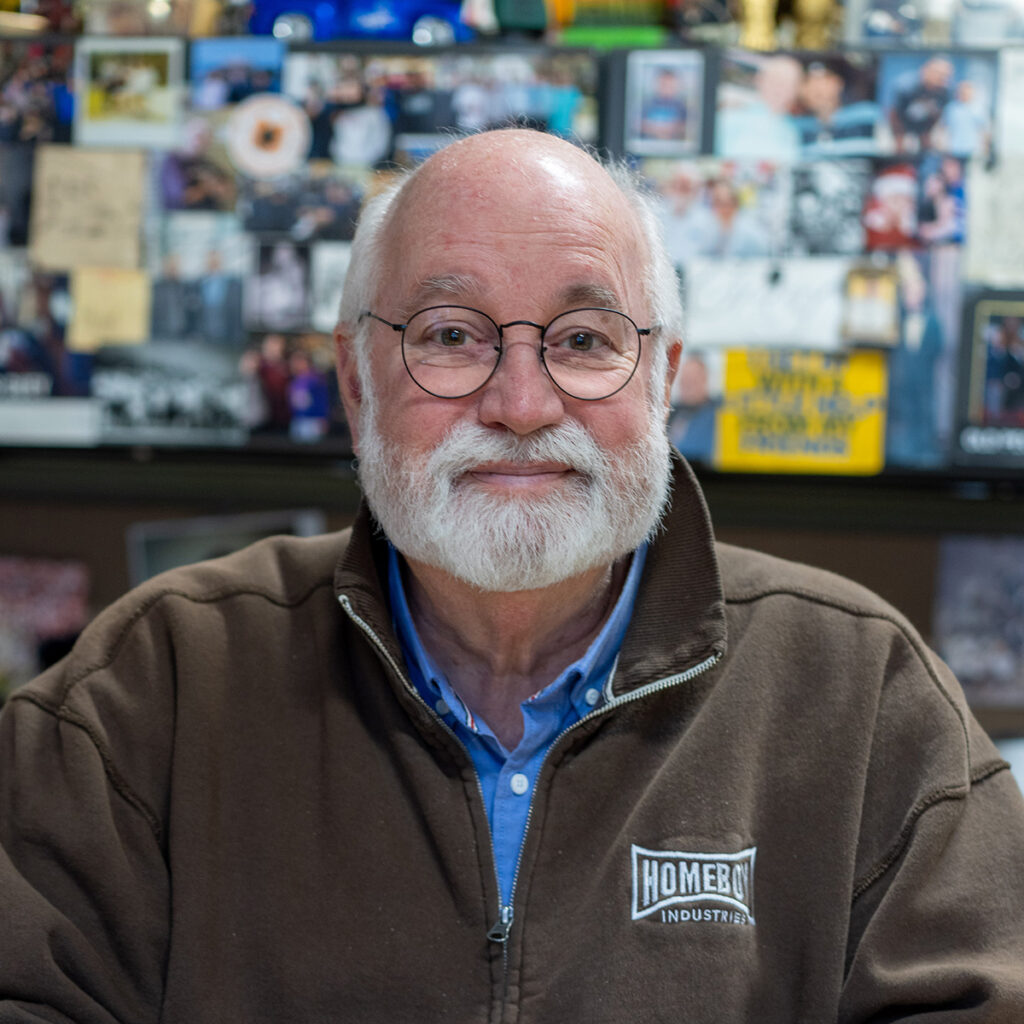
Christopher “Chris” Looney
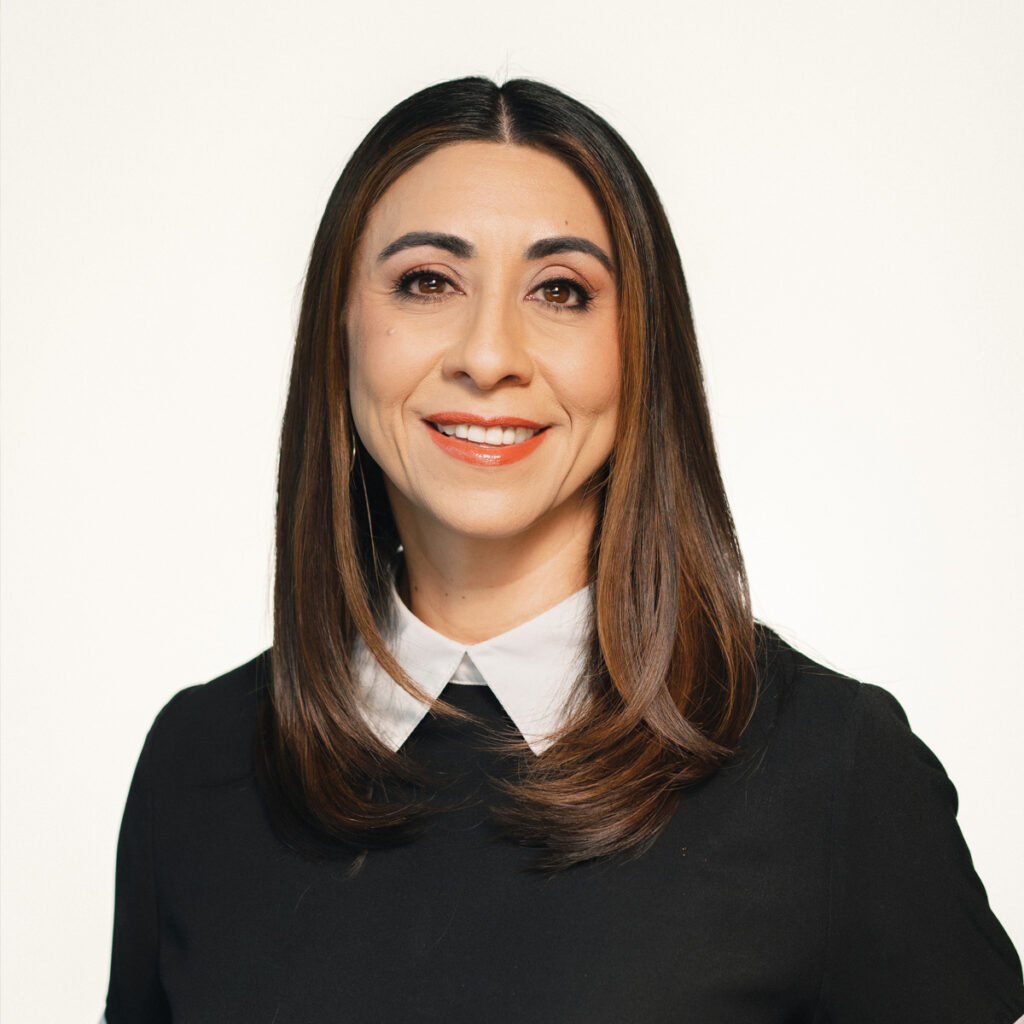
Sarah Agee, President of Sterling Search
Claudia Looney
If you supervise emerging leaders, this may be the most important investment you make in their development this year.
If you are stepping into hiring responsibility for the first time, this is the training most of us wish we had earlier in our careers.
$100 per session
Fulcrum members can share a 50 percent discount
Register here:
fulcrumleader.com/event/people-management-hiring/
Please share this with someone who is growing into leadership. Nonprofits deserve thoughtful hiring decisions and strong teams.
#NonprofitLeadership #EmergingLeaders #LeadershipDevelopment #Hiring #FulcrumLeadershipInstitute
While leadership is often categorized into four archetypes—servant, transformational, charismatic, and transactional—exceptional leaders transcend rigid typologies, flexing with the demands of each moment.